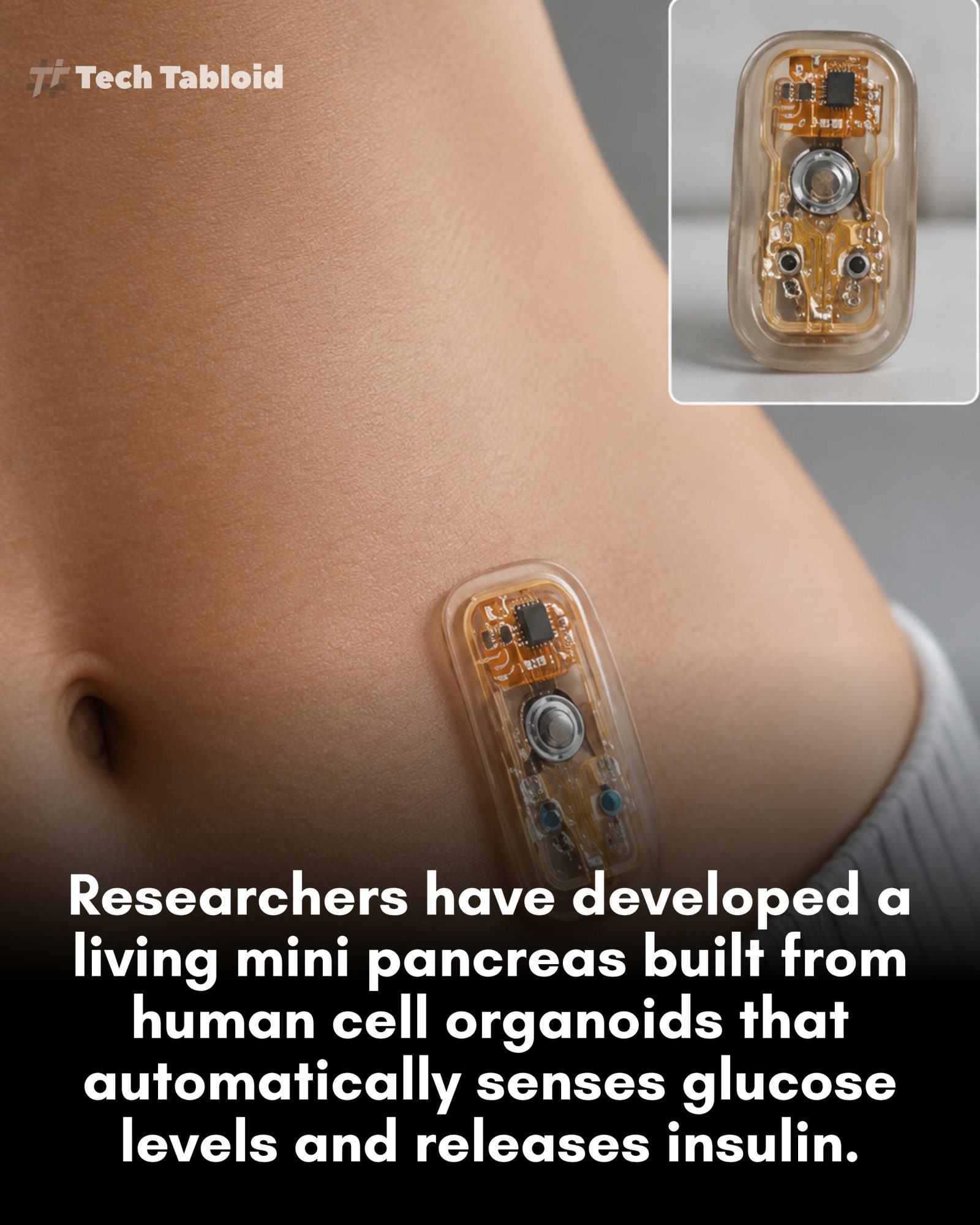
Mini Pancreas Device: A Revolutionary Medical Innovation
A groundbreaking advancement in medical technology has been achieved with the development of a functional mini pancreas. This innovative medical device is crafted from three-dimensional human cell organoids and is designed to sense blood glucose levels and automatically release the right amount of insulin. The ultimate goal is to mimic the natural blood sugar regulation of a healthy pancreas, potentially reducing or even eliminating the need for daily insulin injections in individuals with diabetes.
The implications of this breakthrough are significant, as it represents a major step towards a long-term biological treatment for diabetes. This device has the potential to dramatically improve the quality of life for those affected by this condition.
Why This Matters
Diabetes is a chronic condition that affects millions of people worldwide. Managing blood sugar levels is crucial for preventing complications such as nerve damage, kidney disease, and cardiovascular issues. Traditional methods of managing diabetes often involve daily insulin injections, which can be inconvenient and painful. Additionally, the effectiveness of insulin injections can vary, leading to fluctuations in blood sugar levels.
The mini pancreas device offers a promising alternative by providing a continuous and automated method of insulin delivery. This could lead to more stable blood sugar levels, reducing the risk of complications and improving overall health outcomes.
The Science Behind the Device
The mini pancreas device is built using advanced technologies and biological innovations. The key components and features of this device include:
Human Cell Organoids
The device is constructed from three-dimensional human cell organoids. These organoids are clusters of cells that mimic the structure and function of a healthy pancreas. By using organoids, researchers can create a device that closely resembles the natural function of the pancreas, making it more effective in regulating blood sugar levels.
Automatic Glucose Sensing and Insulin Release
One of the most remarkable features of the mini pancreas device is its ability to automatically sense glucose levels and release insulin as needed. This is achieved through the use of supportive cell types and advanced scaffolding, which provide a stable environment for the organoids to function effectively. The device is designed to release insulin in response to changes in blood glucose levels, ensuring that the body receives the right amount of insulin at the right time.
Enhanced Oxygen Delivery and Blood Vessel Growth
To make the device work more effectively, researchers have included advanced features such as improved oxygen delivery and designs that encourage the growth of new blood vessels after implantation. These features help ensure that the organoids receive the necessary nutrients and oxygen to function optimally, enhancing the overall performance of the device.
Immune System Protection
Another critical aspect of the mini pancreas device is the need to protect it from the body's immune system. Researchers are working on ways to achieve this without relying on powerful immunosuppressive drugs. By developing methods to shield the device from the immune system, they aim to ensure its longevity and effectiveness over the long term.
Practical Tips for Understanding Diabetes Management
While the mini pancreas device is still in the testing phase and not yet available for patients, it is essential to understand the current methods of managing diabetes. Here are some practical tips for effective diabetes management:
Monitoring Blood Sugar Levels
Regularly monitoring blood sugar levels is crucial for managing diabetes. This can be done through various methods, including fingerstick blood tests, continuous glucose monitors, and other devices. Regular monitoring helps individuals with diabetes make informed decisions about their diet, exercise, and medication.
Maintaining a Healthy Diet
A healthy diet plays a significant role in managing diabetes. Focus on consuming a balanced diet rich in fruits, vegetables, whole grains, and lean proteins. Avoid processed foods, sugary drinks, and excessive salt and sugar intake.
Engaging in Regular Physical Activity
Regular physical activity can help improve insulin sensitivity and regulate blood sugar levels. Aim for at least 30 minutes of moderate-intensity exercise most days of the week. Activities such as walking, cycling, swimming, and strength training are beneficial.
Medication Management
For those who require medication to manage their diabetes, it is essential to follow the prescribed regimen carefully. This may include taking insulin injections, oral medications, or other drugs as directed by a healthcare provider. It's also important to stay in close communication with your healthcare provider to adjust medications as needed.
Important Takeaways
The development of the mini pancreas device represents a significant milestone in the field of medical technology. This innovative device has the potential to revolutionize diabetes management by providing a more natural and effective way to regulate blood sugar levels. While the technology is still being tested and is not yet available for patients, it offers a promising glimpse into the future of diabetes treatment.
The Future of Diabetes Treatment
The mini pancreas device highlights the ongoing advancements in medical technology and their potential to improve the lives of millions of people with diabetes. As researchers continue to refine and test this innovative device, it is essential to stay informed about the latest developments in diabetes management and treatment options.
Continuous Innovation
The development of the mini pancreas device underscores the importance of continuous innovation in the medical field. By combining cutting-edge technologies and biological innovations, researchers can create devices that offer new and improved ways to manage chronic conditions like diabetes. As the technology continues to evolve, we can expect to see even more groundbreaking advancements that improve the quality of life for patients.
Conclusion
The mini pancreas device is a remarkable achievement in the field of medical technology. By utilizing three-dimensional human cell organoids and advanced features such as automatic glucose sensing and insulin release, this device offers a promising solution for managing diabetes. While the technology is still in the testing phase, it represents a significant step towards a long-term biological treatment for diabetes. As researchers continue to refine and improve this innovative device, it has the potential to dramatically improve the quality of life for millions of people affected by this chronic condition.
Watch the Reel
Questions readers ask
How does the mini pancreas device manage insulin release?
The mini pancreas device utilizes living cell organoids that sense blood glucose levels in real-time. Based on these readings, the device automatically releases the precise amount of insulin needed, mimicking the natural functions of a healthy pancreas.
What are the potential benefits of using a mini pancreas device for diabetes management?
The mini pancreas device offers a significant improvement in diabetes management by potentially reducing or eliminating the need for daily insulin injections. This could lead to more stable blood sugar levels, fewer risks of hypoglycemia, and an overall better quality of life for users.
What are the living cell organoids and what role do they play in the device?
Living cell organoids are three-dimensional cell cultures that can mimic the structure and function of human organs, in this case, the pancreas. In the mini pancreas device, these organoids sense blood glucose levels and produce insulin accordingly, replicating the functions of a healthy human pancreas.
How does the mini pancreas device differ from traditional insulin management methods?
Unlike traditional insulin management methods that rely on manual injections or external pumps, the mini pancreas device operates autonomously. It continuously monitors blood glucose levels and adjusts insulin release in real-time, providing a more dynamic and personalized approach to insulin management.
What is the current stage of development for the mini pancreas device?
The mini pancreas device is still in the early stages of development and research. While it has shown promising results in mimicking the natural regulation of blood sugar, further studies and clinical trials are needed to ensure its safety and effectiveness for widespread use in diabetes treatment.
Can the mini pancreas device be used by all individuals with diabetes?
Currently, the mini pancreas device is being developed with the goal of helping a wide range of individuals with diabetes. However, its suitability may vary based on the type and severity of diabetes, as well as other individual health factors. It is important for those interested in this technology to consult with healthcare providers for personalized information.
Related deep dives
Similar reads based on topic and creator.




Recent articles
Fresh deep dives from the latest Reels we unpacked.




Comments
Be the first to comment.