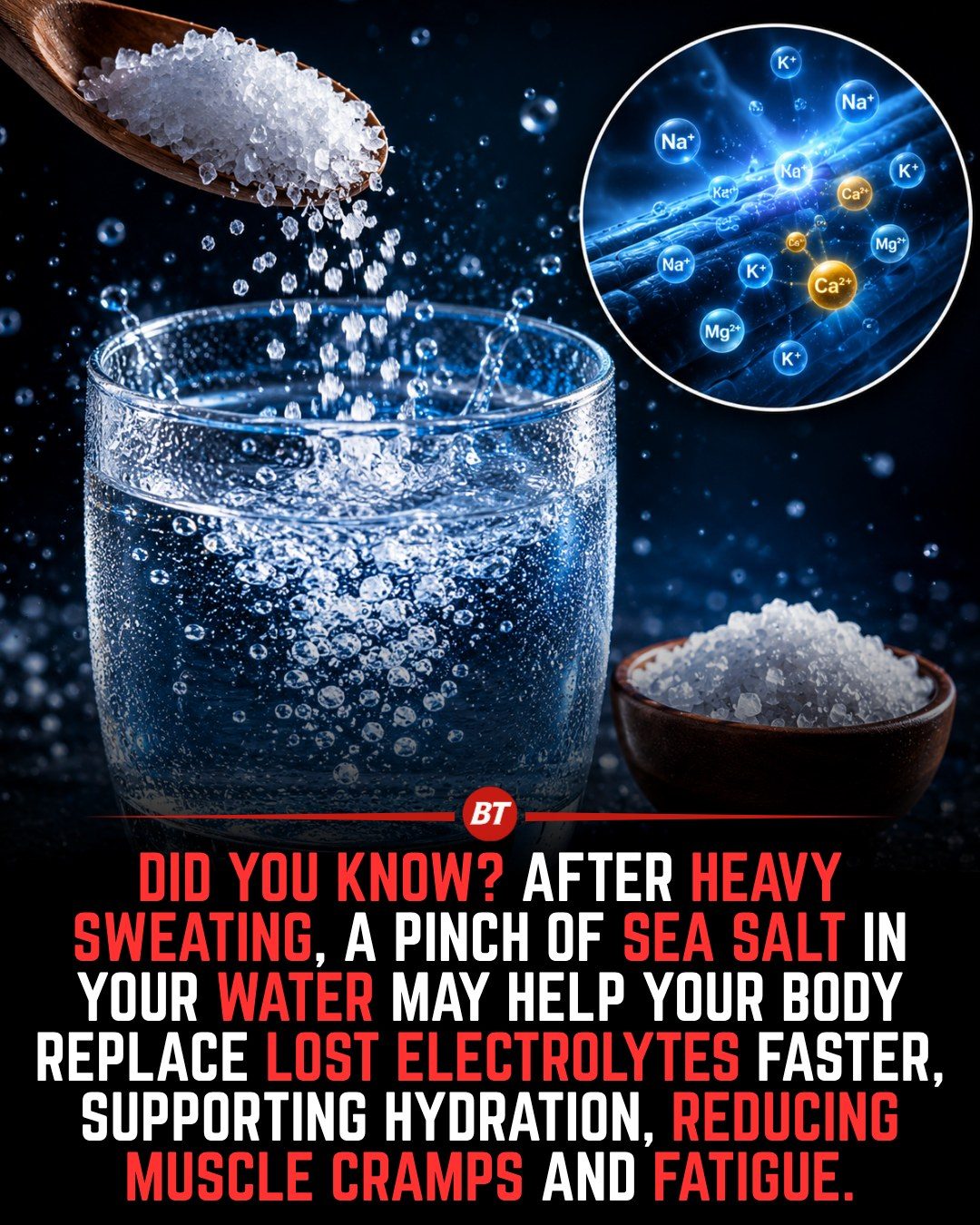
Electrolyte Replenishment: Beyond Just Water
Electrolyte replenishment is a critical aspect of maintaining hydration, especially after intense physical activity. When engaging in long workouts or any activity that causes heavy sweating, it's essential to understand that the body loses more than just water; it also depletes electrolytes like sodium, potassium, magnesium, and chloride. These minerals play a crucial role in regulating fluid balance, nerve signaling, and muscle contractions.
Context / Why This Matters
When you sweat, your body sheds valuable electrolytes, which are necessary for optimal bodily functions. Replacing water alone may not be sufficient to counteract the loss of these essential minerals. This imbalance can lead to muscle cramps, fatigue, and dehydration-related issues. By replenishing electrolytes, you can help your body retain fluids more effectively, supporting better recovery and overall performance.
The Role of Electrolytes
Electrolytes are electrically charged minerals that conduct electricity and facilitate various bodily functions. The primary electrolytes lost through sweat include:
- Sodium: Essential for maintaining fluid balance and nerve function.
- Potassium: Crucial for muscle and nerve function, as well as heart health.
- Magnesium: Important for muscle and nerve function, blood glucose control, and blood pressure regulation.
- Chloride: Helps maintain acid-base balance and supports digestion.
When you sweat profusely, these minerals are excreted, and if not replenished, can lead to an electrolyte imbalance, affecting your body's ability to regulate fluids and maintain normal function.
Impact on Hydration and Performance
Electrolytes play a significant role in hydration and performance:
- Hydration: Electrolytes help the body absorb and retain water, preventing dehydration.
- Energy Levels: Proper electrolyte balance can help maintain energy levels and reduce fatigue.
- Muscle Function: Electrolytes support muscle contractions, reducing the risk of cramps and fatigue.
Practical Tips
To replenish electrolytes effectively, consider the following strategies:
- Add a Pinch of Sea Salt to Water: After heavy sweating, adding a small amount of sea salt to your water can help replenish lost electrolytes, especially sodium. Sea salt contains a variety of minerals that can support hydration and overall recovery.
- Consume Electrolyte-Rich Foods: Incorporate foods that are rich in electrolytes into your diet. Some excellent options include:
- Watermelon: High in water and electrolytes, especially potassium and magnesium.
- Coconut Water: Naturally rich in electrolytes, making it a popular choice for hydration.
- Bananas: A great source of potassium, which is essential for muscle and nerve function.
- Oranges: Contains potassium and other electrolytes, along with vitamin C.
- Use Electrolyte Drinks: For intense or prolonged exercise, consider using electrolyte drinks. These beverages are specifically formulated to replenish lost electrolytes and support hydration.
- Hydrate Before, During, and After: Maintain a consistent hydration routine. Drink water and electrolyte-rich fluids before, during, and after physical activity to ensure that your body replenishes lost fluids and minerals.
Important Takeaways
- Electrolytes Matter: Sweating depletes electrolytes, which are crucial for hydration and muscle function.
- Sea Salt Benefits: Adding a pinch of sea salt to water can help replenish lost electrolytes, particularly sodium.
- Eat Right: Consume electrolyte-rich foods like watermelon, coconut water, bananas, and oranges to support recovery.
- Hydration is Key: Proper hydration is essential for maintaining energy levels and preventing dehydration-related issues. Drink water and electrolyte-rich beverages before, during, and after physical activity.
Conclusion
Replenishing electrolytes is essential for maintaining hydration and supporting muscle and nerve function, especially after heavy sweating. By understanding the importance of electrolytes and incorporating strategies to replenish them, you can enhance your overall performance and recovery. Whether it’s adding a pinch of sea salt to water, consuming electrolyte-rich foods, or using electrolyte drinks, these simple steps can make a significant difference in your hydration and well-being.
Watch the Reel
Questions readers ask
Why is adding sea salt to water beneficial for hydration?
Adding sea salt to water helps replenish lost electrolytes, particularly sodium, which is crucial for maintaining fluid balance in the body. This is especially important after sweating, as it helps prevent dehydration and supports muscle function.
What are the key electrolytes lost during sweating?
The primary electrolytes lost through sweat are sodium, potassium, magnesium, and chloride. These minerals are vital for various bodily functions, including fluid balance, nerve signaling, and muscle contractions.
How does sea salt help prevent muscle cramps and fatigue?
Sea salt contains sodium, which aids in maintaining proper fluid balance and supports nerve and muscle function. By replenishing sodium, you can help prevent muscle cramps and fatigue, especially after intense physical activity.
What is the best way to use sea salt for hydration?
To create an effective electrolyte drink, dissolve a small amount (e.g., 1/4 to 1/2 teaspoon) of sea salt in 16-24 ounces of water. Adjust the amount of salt based on your level of activity and sweat loss to maximize hydration benefits.
Can drinking plain water cause an electrolyte imbalance?
Yes, drinking plain water without replenishing electrolytes can lead to an imbalance, especially after intense physical activity. This is because the body loses electrolytes through sweat, and replacing only water may not be enough to maintain proper bodily functions.
Is sea salt water beneficial for long-distance hydration?
Yes, sea salt water can be beneficial for long-distance hydration as it helps maintain electrolyte balance during extended physical activities. This can help in preventing dehydration, muscle cramps, and fatigue over prolonged periods.
What is the role of sodium in maintaining hydration?
Sodium is a key electrolyte that helps maintain fluid balance in the body. It aids in retaining water and supports the function of nerves and muscles, making it crucial for staying hydrated, especially after activities that cause heavy sweating.
Related deep dives
Similar reads based on topic and creator.




Recent articles
Fresh deep dives from the latest Reels we unpacked.




Comments
Be the first to comment.