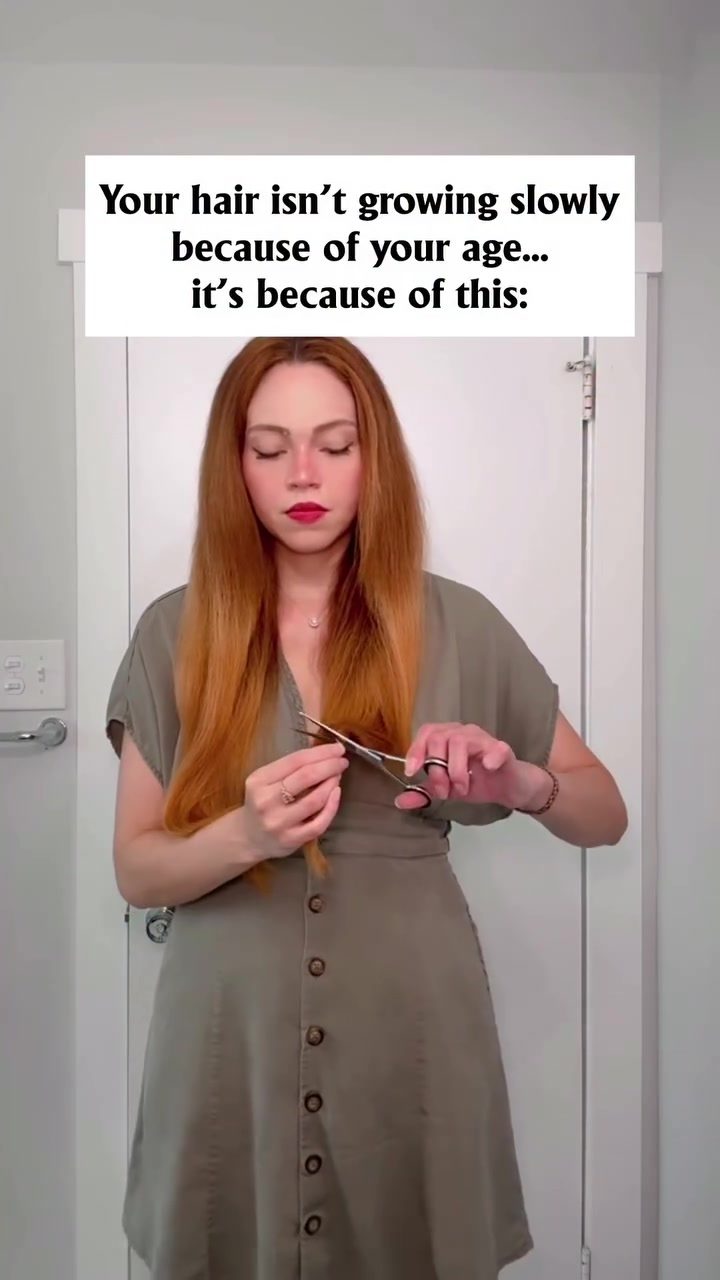
Achieving Long, Healthy Hair: Understanding the Barriers to Hair Growth
Slow hair growth can be frustrating, but it's often not due to age. Several factors contribute to hair that doesn't seem to grow, including an irritated, unhealthy scalp, dryness, and damaged hair. Recognizing and addressing these issues can help you achieve the long, healthy hair you've always wanted.
Why This Matters
Understanding the root causes of slow hair growth is the first step in improving hair health. By identifying the factors that hinder hair growth, you can make informed decisions about your hair care routine and achieve better results.
Main Discussion
The Role of Scalp Health
A healthy scalp is crucial for hair growth. An irritated or unhealthy scalp can be caused by heavy product buildup, including non-water-soluble silicones. These ingredients can clog hair follicles, preventing hair from growing properly.
To maintain a healthy scalp:
- Limit Product Use: Opt for lightweight, water-soluble products that won't leave residue.
- Regular Cleansing: Wash your hair regularly to remove buildup. Use a clarifying shampoo once a week to deep clean your scalp.
- Avoid Irritants: Steer clear of products with synthetic fragrances and other unnecessary additives that can irritate the scalp.
The Impact of Hair Breakage
Hair that breaks before it reaches your shoulders can make it seem like your hair isn't growing. This breakage is often due to dryness and damage. Regular trimming can help mitigate this issue by removing split ends, which can travel up the hair shaft and cause further breakage.
The Role of Shampoo Ingredients
The ingredients in your shampoo can significantly impact hair health. Synthetic fragrances, sulfates, and other additives can strip the hair of its natural oils, leading to dryness and breakage. Additionally, petroleum-derived ingredients can weigh down the hair, making it feel thinner over time.
To choose the right shampoo:
- Opt for Gentle Formulas: Look for shampoos that are sulfate-free and fragrance-free.
- Natural Ingredients: Choose products with natural, nourishing ingredients that won't strip your hair of its natural oils.
- Avoid Silicones: Be mindful of non-water-soluble silicones, which can build up on the scalp and cause irritation.
The Importance of Regular Trimming
Regular trimming is essential for maintaining healthy hair. Split ends can prevent hair from appearing to grow, as the damage can travel up the hair shaft, causing further breakage. By trimming your hair regularly, you can remove these damaged ends and promote healthier growth.
The Role of Vitamins and Nutrition
While vitamins and nutrition play a crucial role in overall hair health, the secret to achieving long, thriving hair lies in what you stop putting on your hair every morning. By avoiding heavy, irritating products and opting for gentle, nourishing formulas, you can create an environment that promotes hair growth.
Practical Tips
- Assess Your Hair Care Routine: Take a closer look at the products you're using and consider switching to gentler, more natural formulations.
- Incorporate Regular Trimming: Schedule regular trims to remove split ends and promote healthier hair growth.
- Deep Condition Regularly: Use a deep conditioning treatment once a week to nourish and hydrate your hair.
- Clarify and Refresh: Use a clarifying shampoo once a week to remove product buildup and refresh your scalp.
- Avoid Heat Styling: Limit the use of heat styling tools, which can cause dryness and breakage.
Important Takeaways
Slow hair growth isn't necessarily due to age. By addressing factors such as scalp health, hair breakage, and the ingredients in your hair care products, you can promote healthier, faster hair growth. Regular trimming and a balanced, nourishing hair care routine are essential for achieving long, healthy hair.
Conclusion
Achieving long, healthy hair involves a combination of understanding the factors that hinder hair growth and making informed decisions about your hair care routine. By addressing scalp health, avoiding damage, and choosing the right products, you can create an environment that promotes healthy hair growth. Embrace a balanced, nurturing approach to hair care, and you'll be well on your way to achieving the long, thriving hair you desire.
Watch the Reel
Questions readers ask
What are some common signs of an unhealthy scalp that may be hindering hair growth?
An unhealthy scalp may present as itchy, flaky, or red. You might also notice increased oiliness or dryness. These signs can indicate irritation or inflammation, which can slow down hair growth.
How does product buildup affect hair growth?
Product buildup can weigh down hair, making it appear limp and dull. It can also clog hair follicles, preventing new hair from growing. Regular clarification and light hair products can help reduce build up.
What role does hair dryness play in hair breakage and slow growth?
Dry hair is more prone to breakage, which can lead to slow growth. Additionally, dry hair is less elastic, making it more susceptible to damage and split ends. Regular conditioning and limiting heat styling can help combat dryness.
Which ingredients in shampoo should I avoid to promote hair growth?
Sulfates and parabens can be harsh on the scalp and hair, causing irritation and dryness. Additionally, alcohol-based ingredients can strip hair of its natural oils, leading to dryness and breakage. Opt for gentle, sulfate-free shampoos for a healthier scalp.
How can I repair split ends and prevent further damage?
Split ends can be repaired through regular trimming. To prevent further damage, avoid heat styling, use a wide-tooth comb to detangle wet hair, and apply a leave-in conditioner or hair oil to the ends of your hair. These steps can help maintain the health of your hair.
Why might hair growth slow down as we age, and what can be done about it?
As we age, our hair's growth rate can decrease due to hormonal changes and a decrease in circulation. To combat this, maintain a balanced diet rich in vitamins and minerals, stay hydrated, and consider using hair growth products that promote scalp health, such as those containing minoxidil.
How might I optimize my hair care routine for better growth?
Regularly clarify your hair to remove product buildup. Limit the use of heat styling tools and harsh chemicals, and opt for gentle, moisturizing products. Additionally, regular scalp massages and a balanced diet can promote hair growth by stimulating blood flow to the scalp and providing necessary nutrients.
Recent articles
Fresh deep dives from the latest Reels we unpacked.




Comments
Be the first to comment.