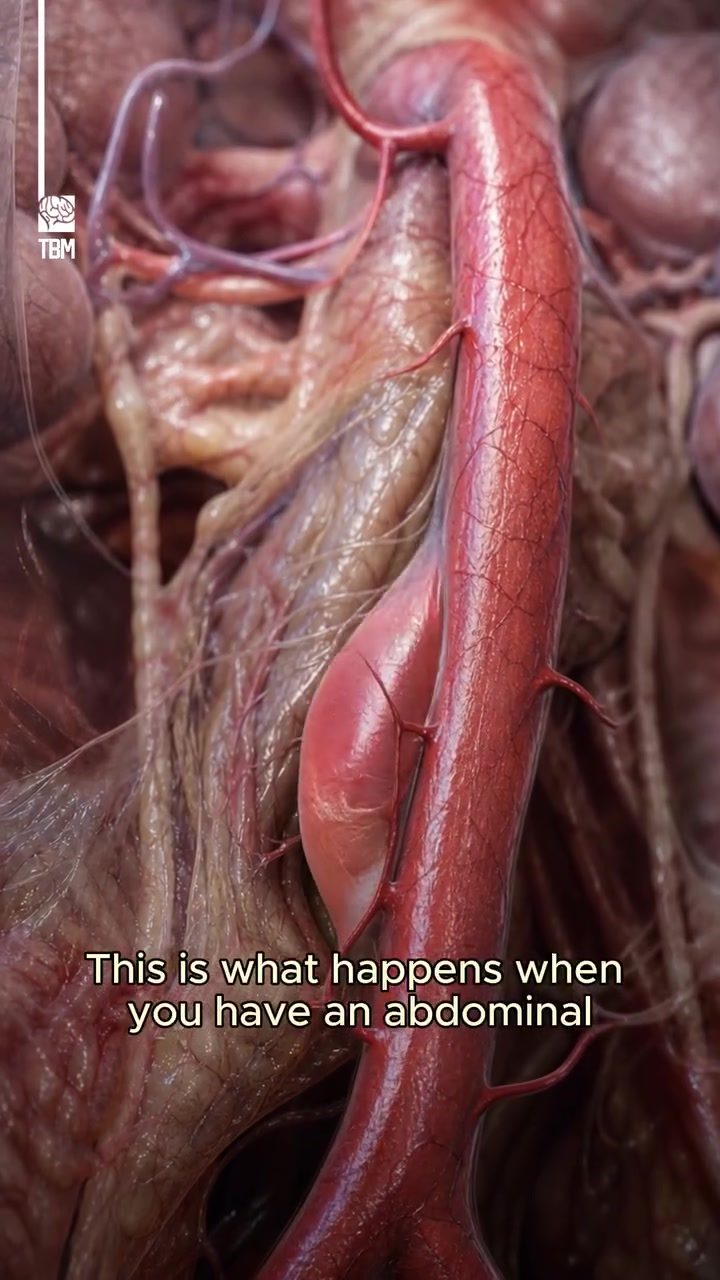
Abdominal Aortic Aneurysm
The abdominal aorta is the body’s largest artery. It supplies blood to the abdomen, pelvis, and legs. An abnormally enlarged or weakened section of the abdominal aorta is known as an abdominal aortic aneurysm (AAA). Understanding the risks, symptoms, and potential dangers of an AAA is crucial for early detection and intervention.
Context / Why this matters
Abdominal aortic aneurysms are a significant health concern because they often develop without noticeable symptoms, making them difficult to detect. The risk of an aneurysm increases with age, particularly in individuals over 60. Men are at a higher risk than women, and those with a family history of aneurysms should be particularly vigilant.
Early detection of an abdominal aortic aneurysm can save lives. Routine screening and medical imaging, such as ultrasound or CT scans, can identify aneurysms before they reach a critical size. This allows for timely intervention, which significantly improves survival rates.
Main discussion
Anatomy and Classification
The abdominal aorta, normally measuring about 2 centimeters in diameter, can develop weakened sections. When these areas begin to expand beyond 3 centimeters, it is classified as an abdominal aortic aneurysm. The size of the aneurysm is a critical factor in determining the risk of rupture and the need for intervention.
Growth and Symptoms
Most aneurysms grow slowly and cause no symptoms, which is why many people may not know they have one. However, as an aneurysm enlarges, some individuals may experience symptoms such as deep abdominal pain, back pain, or a pulsing sensation in the abdomen. These symptoms indicate that the aneurysm is progressing and may require medical attention.
Risk Factors
Several factors can increase the risk of developing an abdominal aortic aneurysm, including:
- Age: The risk increases significantly for individuals over 60.
- Gender: Men are at a higher risk than women.
- Family History: A family history of aneurysms increases the likelihood of developing one.
- High Blood Pressure: Uncontrolled hypertension can weaken the artery walls.
- Smoking: Smoking is a major risk factor for aortic aneurysms.
- Obesity: Excess weight can put additional strain on the cardiovascular system.
- High Cholesterol: Elevated cholesterol levels can contribute to the weakening of artery walls.
Complications
The primary concern with an abdominal aortic aneurysm is the risk of rupture. Aneurysms larger than 5.5 centimeters are considered at high risk of rupture and often require surgical repair. If the aneurysm ruptures, the artery tears open, causing massive internal bleeding within minutes. Blood pressure rapidly collapses, organs are deprived of oxygen, and without emergency treatment, fatal outcomes can occur very quickly.
Surgical Intervention
Surgical repair is often necessary for aneurysms that reach a certain size or show signs of rapid growth. There are two main types of surgical procedures for repairing an abdominal aortic aneurysm:
- Open Surgical Repair: This procedure involves making an incision in the abdomen to access the aneurysm and repair it using a graft.
- Endovascular Repair: This minimally invasive procedure involves inserting a stent graft through a small incision in the groin and guiding it to the site of the aneurysm to repair it.
Emergency Treatment
Emergency treatment is crucial if an aneurysm ruptures. The goal is to stabilize the patient, control the bleeding, and maintain organ function until surgical repair can be performed. Emergency treatment may involve:
- Blood Transfusions: To replace lost blood and stabilize blood pressure.
- Intravenous Fluids: To maintain blood volume and organ perfusion.
- Surgical Intervention: To repair the ruptured aneurysm as quickly as possible.
Practical tips
Regular Check-ups
Regular medical check-ups, particularly for individuals at high risk, can help detect an abdominal aortic aneurysm early. Screening is recommended for men aged 65 to 75 who have ever smoked.
Lifestyle Changes
Making lifestyle changes can significantly reduce the risk of developing an abdominal aortic aneurysm. Key changes include:
- Quitting Smoking: Smoking is a major risk factor for aneurysms, so quitting can significantly improve cardiovascular health.
- Maintaining a Healthy Weight: Excess weight puts additional strain on the cardiovascular system, so maintaining a healthy weight is crucial.
- Controlling Blood Pressure: Regularly monitoring and controlling blood pressure can reduce the risk of aneurysm development.
- Managing Cholesterol Levels: Controlling cholesterol levels can help maintain the health of artery walls.
Awareness of Symptoms
Being aware of the symptoms of an abdominal aortic aneurysm is essential. Although many aneurysms develop without symptoms, recognizing deep abdominal pain, back pain, or a pulsing sensation in the abdomen can prompt early medical intervention.
Important takeaways
- Abdominal aortic aneurysms are a significant health concern, particularly for individuals over 60.
- Regular screening and medical imaging can detect aneurysms before they become life-threatening.
- Early intervention significantly improves survival rates.
- Lifestyle changes, such as quitting smoking, maintaining a healthy weight, and controlling blood pressure, can reduce the risk of developing an aneurysm.
- Recognizing symptoms and seeking immediate medical attention is crucial for managing an aneurysm.
Conclusion
Understanding the risks, symptoms, and potential dangers of an abdominal aortic aneurysm is vital for early detection and intervention. Regular screening, lifestyle changes, and awareness of symptoms can significantly improve outcomes and save lives. If you are at risk or experiencing symptoms, do not hesitate to consult a healthcare provider for evaluation and appropriate management.
Watch the Reel
Questions readers ask
What are the most common symptoms of an abdominal aortic aneurysm (AAA)?
An AAA is often called a 'silent killer' because it frequently does not show any symptoms. However, some people may experience a pulsating feeling in the abdomen, deep pain in the back or abdomen, or sudden, intense pain in the abdomen or lower back, which can indicate a ruptured aneurysm.
Who is at the highest risk for developing an abdominal aortic aneurysm?
The primary risk factors for AAA are age, gender, and family history. Individuals over 60, particularly men, are at a higher risk. Additionally, those with a family history of aneurysms should be especially aware of their increased risk.
When should one consider screening for an abdominal aortic aneurysm?
Screening is recommended for men aged 65 to 75 who have ever smoked. For those with a family history of AAA, it is advisable to consult with a healthcare provider about screening, regardless of age or smoking history. Generally, screening involves a simple ultrasound of the abdomen.
What are the treatment options for an abdominal aortic aneurysm?
Treatment options depend on the size and growth rate of the aneurysm. Small aneurysms may only require regular monitoring. Larger aneurysms, or those growing rapidly, may require surgery to repair or replace the weakened section of the aorta. Endovascular repair is a less invasive option, while open surgery is a more traditional approach.
How fast do abdominal aortic aneurysms typically grow?
The growth rate of an AAA can vary. On average, small aneurysms (less than 4 cm) grow slowly, at a rate of about 0.1 to 0.4 cm per year. Larger aneurysms can grow more rapidly. Regular monitoring through ultrasound or CT scans can help track the growth rate and inform treatment decisions.
What should I do if I suspect I have an abdominal aortic aneurysm?
If you suspect you have an AAA, it is crucial to consult with a healthcare provider immediately. They can perform an ultrasound or other imaging tests to confirm the presence of an aneurysm and determine the best course of action. Early detection and intervention can significantly reduce the risk of a life-threatening rupture.
What is the largest artery in the human body and why is it significant for AAA?
The abdominal aorta is the largest artery in the human body, supplying blood to the abdomen, pelvis, and legs. It is significant in the context of AAA because a rupture in this artery can lead to severe internal bleeding and be life-threatening. This makes early detection and treatment of AAA crucial.
Related deep dives
Similar reads based on topic and creator.

Recent articles
Fresh deep dives from the latest Reels we unpacked.




Comments
Be the first to comment.