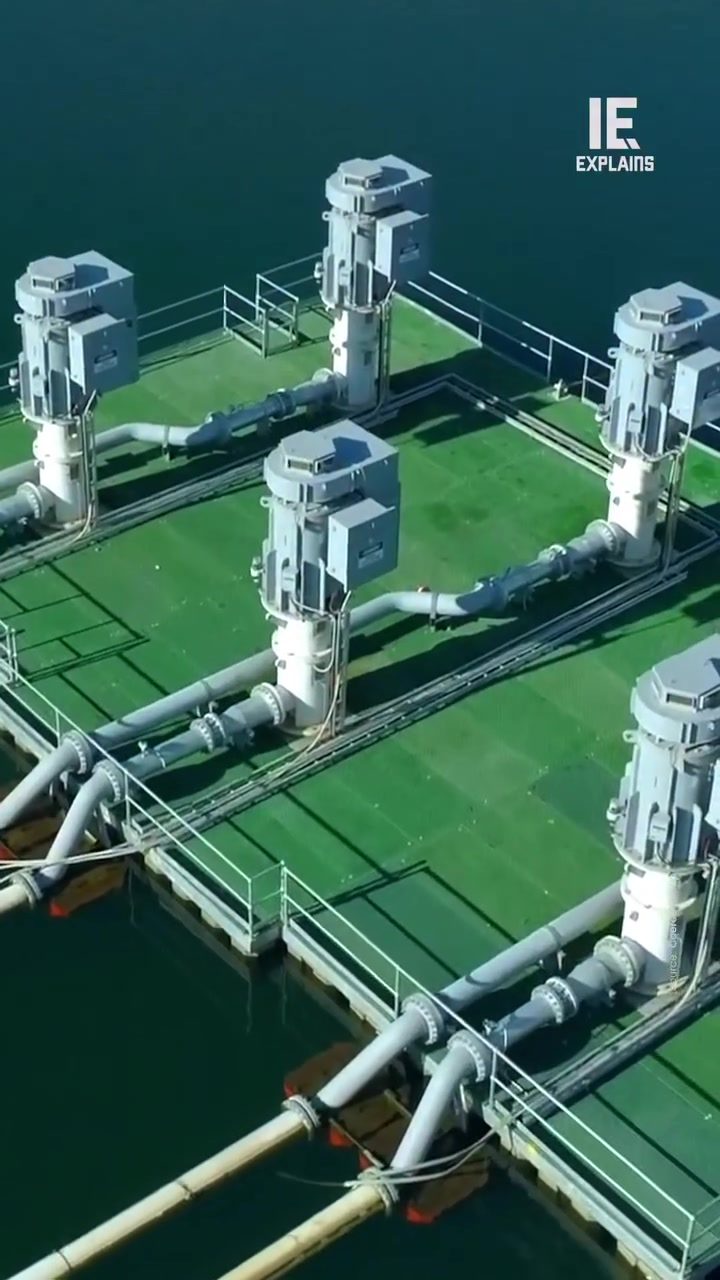
Pumped Hydro Storage: Turning Abandoned Mines into Clean Energy Powerhouses
Pumped hydro storage is a ingenious method of storing and generating electricity by using the power of gravity and water. This technology has been around for over a century, but recent innovations are breathing new life into old mining sites, transforming them into clean energy hubs.
Context — Why This Matters
The global shift towards renewable energy sources has highlighted the need for efficient and large-scale energy storage solutions. Pumped hydro storage stands out as a proven and reliable method, accounting for about 96% of all grid-scale storage capacity worldwide. The concept is simple yet effective: using excess electricity to pump water uphill, storing it as potential energy, and then releasing it to generate electricity when demand peaks.
The Science Behind Pumped Hydro Storage
Pumped hydro storage operates on a fundamental principle of physics: the conversion of electrical energy to potential energy and back to electrical energy. Here's how it works:
-
Energy Storage: During periods of low electricity demand, such as midday when solar panels generate surplus power, this excess energy is used to pump water from a lower reservoir to a higher one. The water is stored at a height, converting electrical energy into potential energy.
-
Energy Release: When electricity demand increases, such as at night or during adverse weather conditions, the water is released from the higher reservoir back downhill through a turbine. The force of gravity pulls the water down, causing the turbine to spin and generate electricity.
This cycling process—pumping water up and releasing it down—is what makes pumped hydro storage a versatile and dependable energy solution.
The Role of Abandoned Mines
One of the primary challenges of pumped hydro storage has always been geography. Traditional setups require a high place and a low place close together, a water source, and minimal displacement of people. Abandoned mines, however, solve these issues almost perfectly.
Utilizing Abandoned Mines for Energy Storage
A gold mine in Far North Queensland provides a compelling example. Shut down in 2001, the mine's two massive open pits filled with rainwater over the years, effectively becoming large reservoirs. In November 2025, these flooded pits will be repurposed into a power station, marking the world's first pumped hydro energy storage system built inside an abandoned mine. This project is expected to be operational by 2027 and could be just the beginning. Australia alone may have 37 more such sites, collectively storing over 540 gigawatt hours of clean energy.
Why Abandoned Mines Are Ideal
Abandoned mines offer several advantages for pumped hydro storage:
- Existing Infrastructure: The holes are already dug, and the elevation difference is naturally present.
- Water Source: Many pits fill naturally with rainwater, creating a ready-made reservoir.
- Minimal Displacement: In natural parks or remote areas, flooding a hole doesn't displace communities.
- Environmental Benefits: Repurposing old mining sites for energy storage can help mitigate the environmental damage caused by mining activities, turning a liability into an asset.
Practical Tips for Implementing Pumped Hydro Storage
If you're considering implementing pumped hydro storage, particularly in abandoned mines, here are some practical tips:
- Site Assessment: Conduct a thorough assessment of the mine site to ensure it meets the geographical requirements for pumped hydro storage.
- Water Management: Evaluate the natural water sources and drainage systems to understand how the water will be managed.
- Turbine Selection: Choose the right turbine based on the expected water flow and head (the vertical distance the water falls).
- Environmental Considerations: Assess the environmental impact and ensure that the project complies with local regulations and standards.
- Community Engagement: Engage with local communities to address any concerns and ensure their support for the project.
Important Takeaways
Pumped hydro storage is a reliable and proven method for large-scale energy storage. By repurposing abandoned mines, we can create clean energy infrastructure that not only generates electricity but also helps to mitigate the environmental impact of mining activities. The transformation of old mining sites into energy storage facilities is a testament to how innovative thinking can turn past industrial activities into a sustainable future.
Conclusion
Pumped hydro storage represents a powerful solution for storing and generating clean energy. By leveraging the natural advantages of abandoned mines, we can create efficient and environmentally beneficial energy systems. Whether you're an energy enthusiast, a sustainability advocate, or simply curious about innovative energy solutions, pumped hydro storage offers a fascinating glimpse into the future of clean energy. As we continue to explore and implement these technologies, we move closer to a more sustainable and energy-efficient world.
Watch the Reel
Questions readers ask
What is pumped hydro storage and how does it work?
Pumped hydro storage is a method of generating and storing electricity using water and gravity. It operates by using excess electricity to pump water from a lower reservoir to an upper reservoir, storing energy as potential energy. When electricity is needed, the water is released to flow back down, generating hydroelectricity.
How are abandoned mines being used for pumped hydro storage?
Abandoned mines are repurposed for pumped hydro storage by converting their underground spaces into lower reservoirs. Upper reservoirs are typically constructed above ground. By utilizing the existing infrastructure and vertical space of old mines, these sites become efficient and economical storage solutions for clean energy.
Why are abandoned mines ideal for pumped hydro storage projects?
Abandoned mines offer several advantages for these projects, including existing infrastructure, vertical space for water storage, and often, proximity to power grids. Additionally, repurposing old mines for energy storage can mitigate environmental hazards and promote sustainable development.
What are the benefits of using pumped hydro storage for renewable energy?
Pumped hydro storage helps balance the intermittent nature of renewable energy sources like wind and solar. It stores excess energy generated during peak production times and releases it when demand is high, ensuring a stable and reliable power supply. This makes it a crucial component in the transition to cleaner energy sources.
Are there any environmental concerns with converting old mines into hydro storage sites?
While the conversion process can help mitigate some environmental issues associated with abandoned mines, such as water pollution, there are still considerations to be mindful of. These include managing water quality, preventing leaks, and minimizing the impact on local ecosystems. Proper planning and execution can ensure that these projects are environmentally beneficial in the long term.
How does pumped hydro storage compare to other energy storage technologies?
Pumped hydro storage is currently the most widely used and cost-effective method for grid-scale energy storage. Unlike battery storage, which is still evolving and relatively expensive for large-scale applications, pumped hydro can store vast amounts of energy and discharge it quickly to meet high demand. Its primary drawback is the need for specific geographical locations.
What are the key challenges in developing pumped hydro storage projects in abandoned mines?
Key challenges include assessing the structural integrity of old mine shafts, managing water quality, and ensuring the safety of the surrounding communities. Additionally, the initial cost of converting a mine into a pumped hydro storage facility can be high, although the long-term benefits often outweigh these costs.
Recent articles
Fresh deep dives from the latest Reels we unpacked.




Comments
Be the first to comment.