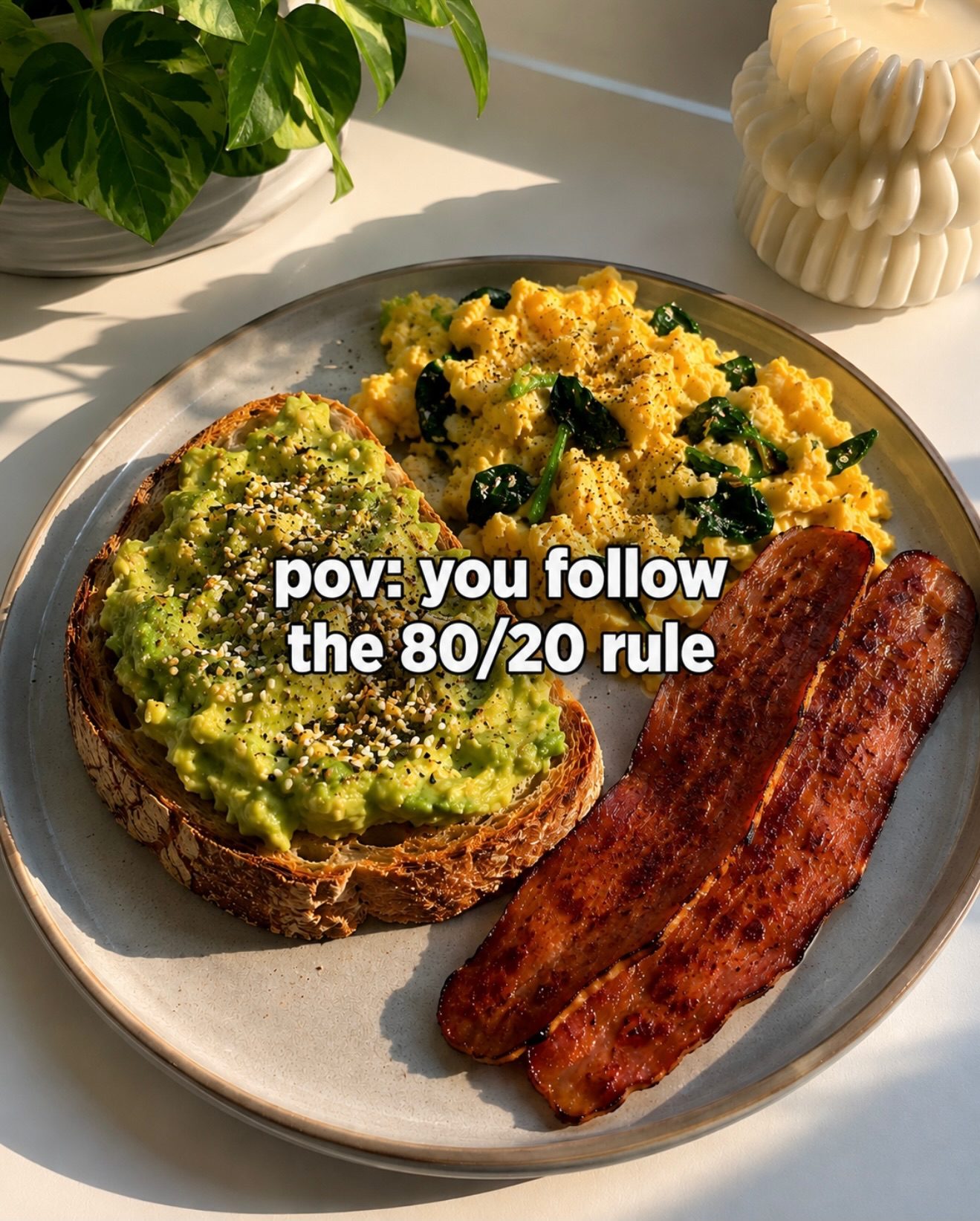
Embracing the 80/20 Rule for Sustainable Healthy Eating
The 80/20 rule offers a practical approach to healthy eating, emphasizing balance and sustainability over restrictive diets. This rule suggests that 80% of your food intake should come from nutritious, minimally processed foods, while the remaining 20% can be dedicated to foods you enjoy, even if they are less healthy. This approach can help maintain a balanced lifestyle and avoid the pitfalls of strict dieting.
Why the 80/20 Rule Matters
Many people equate healthy eating with perfection—eliminating all indulgent foods like pizza, burgers, and desserts. However, this mindset often leads to dietary failures. The 80/20 rule provides a more sustainable framework that allows for occasional treats without guilt. According to the rule, 80% of your diet should consist of nutrient-dense foods such as:
- Lean proteins
- Fruits and vegetables
- Whole grains
- Healthy fats
- High-fiber foods
The remaining 20% can be allocated to foods you enjoy, such as:
- Ice cream
- Burgers
- Pizza
- Cookies
- Favorite treats
The goal of the 80/20 rule is consistency, not perfection. By focusing on the overall quality of your diet, you can incorporate occasional indulgences without feeling like you've ruined your progress. This approach supports health, fitness, and energy levels while fitting seamlessly into your lifestyle.
Main discussion
Balanced Meal Planning
A balanced lifestyle might include protein-rich breakfasts, nutritious lunches, and whole-food dinners. For example, a typical day might look like this:
- Breakfast: Scrambled eggs with spinach and avocado toast, or a fruit smoothie with a scoop of protein powder.
- Lunch: A salad packed with leafy greens, lean proteins, and a variety of vegetables.
- Dinner: A bowl of salmon with rice, broccoli, and a side of salsa, or a stir-fry with tofu, colorful vegetables, and a bit of brown rice.
- Snacks: Fresh fruit, yogurt with nuts, or a small portion of crackers with tuna salad.
- Occasional Treats: Matcha soft serve, cookies, cheesecake, or a burger night with friends.
The Role of the Workit App
The Workit app can be a valuable tool for anyone looking to adopt the 80/20 rule. The app offers personalized meal plans, calorie and macro tracking, healthy recipes, progress tracking, and workout programs designed for long-term success. By using the Workit app, you can build sustainable nutrition habits and earn rewards for maintaining healthy habits.
The app features include:
- Water intake tracking: Staying hydrated is crucial for overall health and fitness.
- Calorie tracking: Monitor your daily calorie intake to ensure you're staying within your goals.
- Workout challenges: Engage in various fitness challenges to keep your workout routine exciting and effective.
- Personalized meal plans: Receive tailored meal plans based on your dietary needs and preferences.
- Progress tracking: Track your progress over time to see how your habits are contributing to your overall health and fitness goals.
The app not only helps you maintain a balanced diet but also rewards you for your efforts, making the journey towards better health more enjoyable and sustainable.
Building Sustainable Habits
The key to long-term success with the 80/20 rule is consistency. One-off meals or treats won't make or break your progress. Instead, focus on building habits that support your health and fitness goals over months and years. Remember, the best diet is the one you can actually maintain. The 80/20 rule provides the flexibility to enjoy life while staying on track with your nutritional goals.
Practical Tips
Plan Ahead
Meal planning is essential for sticking to the 80/20 rule. Set aside time each week to plan your meals and snacks, ensuring that 80% of your intake comes from nutrient-dense foods. Prepare meals in advance to avoid falling into the trap of quick, unhealthy options.
Make Smart Swaps
Swap unhealthy ingredients for healthier alternatives. For example, use whole-grain flour instead of refined flour, and opt for natural sweeteners like honey or maple syrup instead of refined sugar.
Enjoy Your Treats
Allow yourself to enjoy occasional treats without guilt. The 20% of your diet that allows for less healthy foods is crucial for maintaining balance and preventing burnout.
Stay Hydrated
Hydration is key to overall health and fitness. Use tools like the Workit app to track your water intake and ensure you're staying hydrated throughout the day.
Track Your Progress
Regularly track your progress to see how your habits are affecting your health and fitness goals. Use the Workit app or other tools to monitor your calorie intake, workout routines, and overall progress.
Important Takeaways
- The 80/20 rule provides a sustainable approach to healthy eating by allowing 80% of your intake to come from nutrient-dense foods and 20% from treats you enjoy.
- Consistency is more important than perfection when it comes to maintaining a balanced diet.
- The Workit app offers valuable tools for tracking progress, meal planning, and staying motivated.
- Focus on building sustainable habits over time to achieve long-term health and fitness goals.
Conclusion
Adopting the 80/20 rule can revolutionize your approach to healthy eating, making it more sustainable and enjoyable. By balancing nutrient-dense foods with occasional treats, you can maintain a healthy lifestyle without feeling deprived. The Workit app can further support your journey by providing personalized meal plans, progress tracking, and workout challenges. Embrace the 80/20 rule and make healthy eating a part of your life, not a temporary restriction.
Watch the Reel
Questions readers ask
What is the 80/20 diet rule?
The 80/20 diet rule is a balanced approach to healthy eating, where 80% of your food intake comes from nutritious, minimally processed foods, such as fruits, vegetables, lean proteins, and whole grains, while the remaining 20% is allocated to foods you enjoy, even if they are less healthy.
How does the 80/20 rule help with healthy eating habits?
The 80/20 rule helps maintain healthy eating habits by promoting consistency and flexibility. It allows for occasional treats, making it easier to stick to a balanced diet in the long run. This approach reduces the likelihood of dietary failures, often caused by feelings of deprivation.
Can the 80/20 rule aid in weight loss?
Yes, the 80/20 rule can aid in weight loss as part of a healthy eating plan. By focusing on nutritious, minimally processed foods for 80% of your intake, you naturally reduce calorie intake and increase nutrient consumption, which can support weight management goals.
How can I track my 80/20 nutrition plan?
Tracking your 80/20 nutrition plan can be simple with a healthy eating app or a food journal. Record your meals and snacks, categorizing them as either part of the 80% or 20% to ensure you're staying on track with your balanced eating goals, and to monitor your intake over time.
What are some examples of 80% foods in the 80/20 rule?
Examples of 80% foods in the 80/20 rule include fresh fruits and vegetables, lean proteins (such as chicken, fish, beans, and tofu), whole grains (like brown rice, quinoa, and whole-wheat bread), and healthy fats (such as avocados, nuts, and olive oil). These foods are minimally processed and provide essential nutrients for your body.
What happens if I exceed the 20% allowance?
If you exceed the 20% allowance, it’s important not to dwell on it. The 80/20 rule is about balance and sustainability, so occasional slip-ups are normal. Simply return to the 80/20 ratio in your next meals and continue with your healthy eating habits. Consistency over time is key.
Can the 80/20 rule be adapted to specific dietary needs, such as vegetarian or vegan diets?
Yes, the 80/20 rule can be easily adapted to specific dietary needs. For a vegetarian or vegan diet, the 80% can include plant-based proteins, such as tofu, tempeh, and legumes, along with fruits, vegetables, and whole grains. The 20% can still include your favorite treats, as long as they align with your dietary preferences.
Recent articles
Fresh deep dives from the latest Reels we unpacked.




Comments
Be the first to comment.