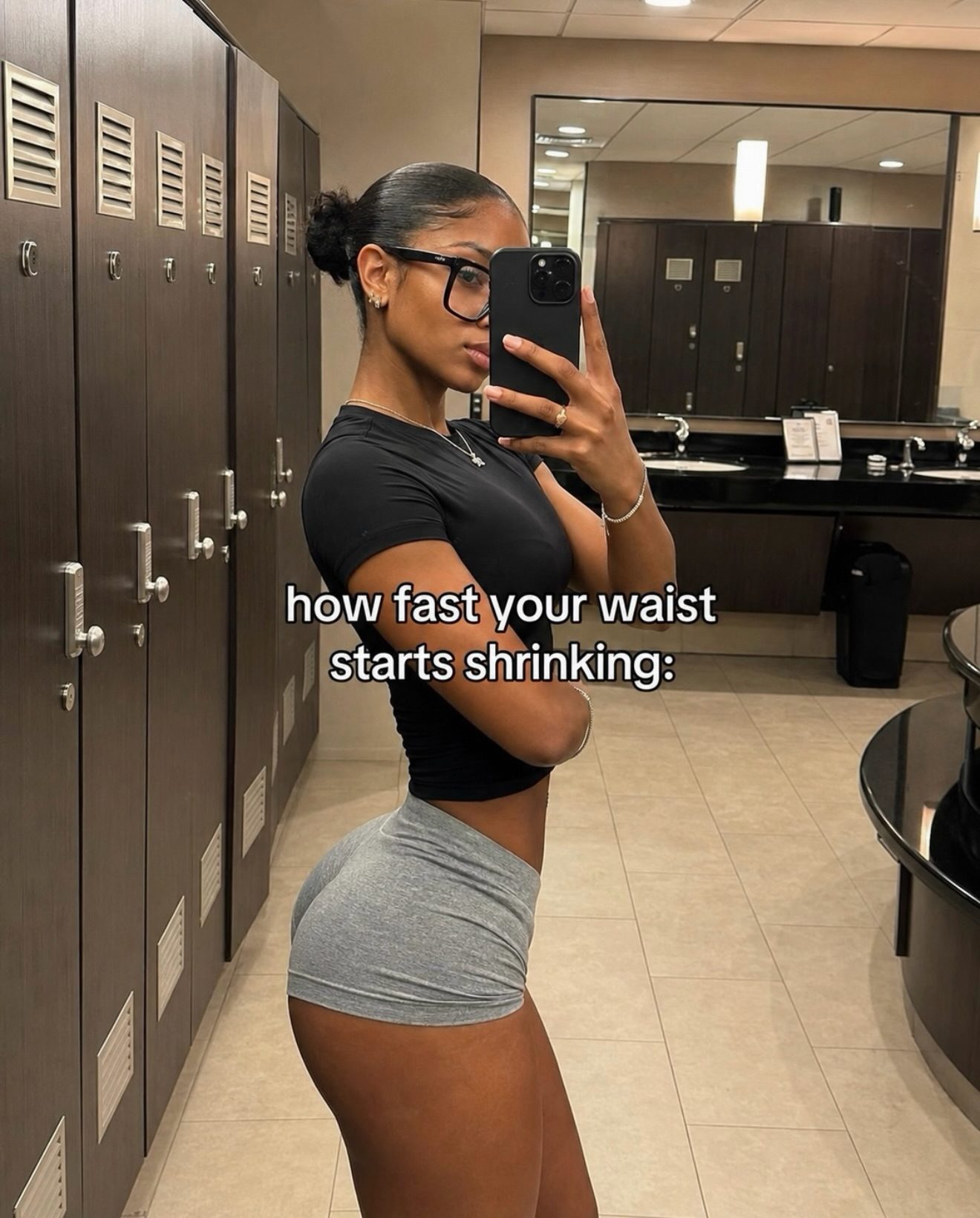
Shrinking Your Waistline: The Realistic Timeline for Visible Changes
Achieving a smaller waistline is a common fitness goal. The process can be straightforward when approached with consistent, small habits. Contrary to popular myths, there is no overnight solution. A realistic timeframe for seeing visible changes involves several stages.
Why This Matters
Understanding the realistic timeline for waist reduction can help you stay motivated and avoid common pitfalls. Many people give up before seeing noticeable changes, but with the right approach, persistence pays off. This guide will break down the timeline and provide practical tips to help you achieve your fitness goals.
The Key Milestones in Waist Reduction
The First Few Days: Reducing Bloating
Within a few days of starting a healthier routine, you may notice reduced bloating. This initial change can be encouraging and is often the result of improved hydration and diet. Drinking enough water and avoiding processed foods can help reduce water retention, making you feel lighter and more comfortable in your clothes.
Weeks 1-2: Dropping Water Weight
After about one to two weeks of consistent effort, you'll start to see water weight drop. This is a significant milestone because it’s often the first visible sign of progress. Walking daily on a treadmill or maintaining an active lifestyle can help accelerate this process. Remember, this weight loss is primarily water, but it's an important psychological boost.
Weeks 3-5: Waist Tightening
Once you've consistently focused on deep core work for three to five weeks, your waist will start to tighten. Incorporating exercises like planks, Russian twists, and leg raises can help strengthen your core muscles, making your waistline appear smaller. This phase requires dedication and consistency, but the results are worth the effort.
Weeks 6-8: Visible Results
After six to eight weeks of consistent effort, you’ll start noticing more significant changes. Your waistline will be more defined, and others around you may comment on your progress. This is when the hard work pays off, and the visible results motivate you to keep going.
Practical Tips to Shrink Your Waist
Eat Better Consistently
Consistent, healthy eating is crucial for waist reduction. Focus on a balanced diet rich in fruits, vegetables, lean proteins, and whole grains. Avoid processed foods and sugary drinks, which can contribute to bloating and weight gain. Meal prepping can help you stay on track and avoid unhealthy food choices.
Move Daily
Incorporate physical activity into your daily routine. Walking, jogging, or using a treadmill can help you stay active and burn calories. Aim for at least 30 minutes of moderate exercise per day. If you’re short on time, break it into smaller segments throughout the day.
Drink Enough Water
Staying hydrated is essential for overall health and waist reduction. Aim for at least eight glasses of water per day. Proper hydration helps flush out toxins, aids in digestion, and can reduce water retention. Drinking water can also help control hunger and cravings.
Get Enough Sleep
Sleep is often overlooked but is crucial for weight loss and overall health. Aim for seven to nine hours of quality sleep per night. Lack of sleep can disrupt hormones that regulate hunger and appetite, leading to weight gain and poor health outcomes.
Train Your Core Properly
Focus on exercises that target your core muscles. Incorporate a variety of core exercises into your workout routine, such as planks, bicycle crunches, and leg raises. Strengthening your core muscles can help tighten your waistline and improve posture.
Stay Patient and Consistent
Consistency is key to achieving visible results. It’s important to stay patient and committed to your fitness goals. Avoid the temptation to quit when progress seems slow. Remember, small habits add up over time, and consistency will yield results.
Important Takeaways
Achieving a smaller waistline involves a combination of healthy eating, regular exercise, hydration, and sleep. The journey is marked by several milestones, each significant in its own way. Remember, consistent effort and patience are essential for long-term success.
Conclusion
Waist reduction is a journey that requires dedication and patience. By focusing on small, consistent habits, you can achieve visible results within a few weeks to a couple of months. Stay motivated by tracking your progress and celebrating milestones along the way. With the right approach, you can achieve a smaller, more toned waistline and improve your overall health and well-being.
Watch the Reel
Questions readers ask
How soon can I expect to see changes in my waistline?
Changes in bloating and water weight can be noticed within the first couple of weeks. However, more significant waist tightening and visible results typically become apparent after six to eight weeks of consistent effort.
What is the importance of consistency in waist reduction?
Consistency is crucial because it helps maintain steady progress and prevents setbacks. Regular exercise and a balanced diet can make a significant difference in waist reduction over time.
Can I reduce my waist size in less than 3 months?
While some initial changes in bloating and water weight might be noticeable within a few days, significant and lasting reduction in waist size typically requires at least 6 to 8 weeks of consistent effort and lifestyle changes.
What are some tips for reducing water weight and bloating for waist training?
To reduce water weight and bloating, stay hydrated, eat foods rich in potassium (like bananas and spinach), and limit your intake of processed foods and sodium. Regular exercise can also help flush out excess water.
I am a beginner to waist training, what steps should I take?
Start with a balanced diet and a consistent exercise routine. Incorporate both cardio and strength training to target your core and overall body fat. Don’t forget to stay hydrated and get enough sleep to support your body's healing and recovery processes.
What are the key milestones in the 8-week waist reduction plan?
The first few days focus on reducing bloating, followed by gradual water weight loss in the first couple of weeks. Significant fat loss and visible waist tightening typically occur between the fourth and eighth weeks with consistent effort.
Recent articles
Fresh deep dives from the latest Reels we unpacked.




Comments
Be the first to comment.