Genetics of Mental Illness
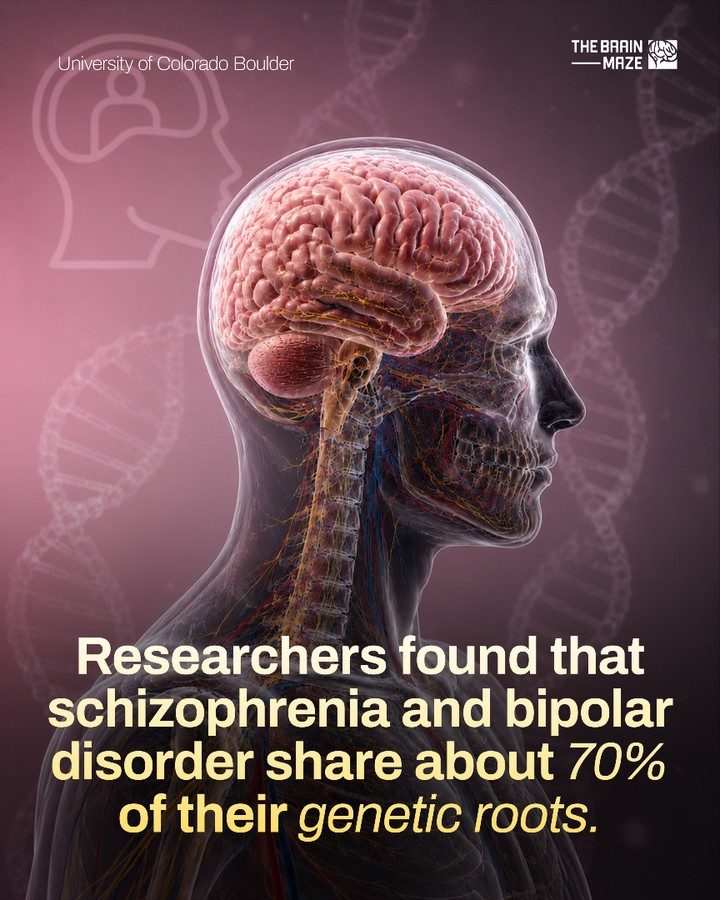
Mental illnesses are complex, multifaceted conditions that profoundly impact the lives of many. Recent research has shed new light on the genetic underpinnings of these disorders, offering hope for improved diagnosis and treatment. Researchers at the University of Colorado Boulder analyzed DNA from more than 6 million people and found that many psychiatric disorders, including schizophrenia and bipolar disorder, share common genetic foundations. This groundbreaking study reveals that about 70% of the genetic signal linked to schizophrenia is also associated with bipolar disorder.
Why This Matters
Understanding the genetic roots of mental illnesses is crucial for several reasons. Firstly, it helps to dispel the stigma surrounding these conditions by demonstrating that they are not merely the result of personal weakness or environmental factors. Secondly, identifying shared genetic pathways can lead to more accurate diagnoses and effective treatments.
Overlap in Genetic Roots
The study highlights a significant overlap in the genetic roots of schizophrenia and bipolar disorder. This finding suggests that these seemingly distinct conditions may share underlying biological mechanisms. By identifying these common genetic pathways, researchers can develop more targeted treatments that address the root causes of these disorders.
Implications for Diagnosis
The discovery of shared genetic foundations has important implications for diagnosis. Traditional methods often rely on symptom-based criteria, which can be subjective and lead to misdiagnosis. Genetic testing, on the other hand, provides a more objective and accurate way to identify mental illnesses. This could lead to earlier intervention and better outcomes for patients.
Potential for New Treatments
One of the most exciting aspects of this research is its potential to revolutionize treatment. By targeting shared genetic pathways, scientists can develop drugs that are more effective and have fewer side effects. This could greatly improve the quality of life for individuals living with these disorders.
Deep Dive into the Findings
The study conducted by researchers at the University of Colorado Boulder is one of the largest of its kind, involving DNA analysis from over 6 million individuals. This vast dataset allows for a comprehensive look at the genetic underpinnings of various psychiatric disorders.
Key Genetic Pathways
The researchers identified several key genetic pathways that are common to both schizophrenia and bipolar disorder. These pathways involve genes that regulate neurotransmitters, which are chemical messengers in the brain. Dysregulation of these neurotransmitters has been linked to a range of psychiatric symptoms.
Biological Mechanisms
The overlapping biological mechanisms suggest that these disorders may not be as distinct as previously thought. Instead, they could be different manifestations of the same underlying genetic vulnerabilities. This could explain why individuals with one disorder often have a higher risk of developing another.
Practical Tips for Understanding Genetic Influences
For those interested in understanding the genetic influences on mental health, there are several practical steps you can take.
Genetic Testing and Counseling
Genetic testing can provide valuable insights into your risk for various mental illnesses. However, it's important to approach this with caution and under the guidance of a healthcare professional. Genetic counselors can help interpret the results and provide personalized advice.
Staying Informed
Keeping up-to-date with the latest research is essential. As our understanding of the genetic underpinnings of mental illnesses continues to evolve, new treatments and diagnostic tools are likely to emerge. Following reputable sources and consulting with healthcare providers can ensure you stay informed.
Supporting Research
Supporting ongoing research is another practical step. Many organizations dedicated to mental health research rely on public support to fund their studies. Contributing to these efforts can help accelerate the development of new treatments and improve our understanding of these complex disorders.
Important Takeaways
The findings from the University of Colorado Boulder study have several important takeaways for both healthcare professionals and the general public.
Shared Genetic Roots
The discovery of shared genetic roots between schizophrenia and bipolar disorder underscores the need for a more nuanced approach to mental health. It challenges the traditional view of these disorders as distinct entities and highlights the importance of looking at the bigger picture.
Potential for New Treatments
The identification of common genetic pathways opens up new avenues for treatment. By targeting these shared pathways, researchers can develop more effective and personalized treatments, potentially revolutionizing the field of mental health.
Early Intervention
Early intervention is key to improving outcomes for individuals with mental illnesses. Genetic testing can help identify those at risk before symptoms develop, allowing for timely intervention and support.
Conclusion
The genetic roots of mental illnesses are complex and multifaceted, but recent research has provided valuable insights. By understanding the shared genetic foundations of disorders such as schizophrenia and bipolar disorder, we can develop more accurate diagnostic tools and effective treatments. For those seeking to understand their own genetic risk, it's important to approach genetic testing with caution and under the guidance of healthcare professionals. Ultimately, the goal is to improve the quality of life for individuals living with mental illnesses and to reduce the stigma surrounding these conditions.
Watch the Reel
Questions readers ask
What does the 70% genetic link mean for individuals with schizophrenia and bipolar disorder?
The 70% genetic link suggests that individuals with schizophrenia and bipolar disorder share many of the same genetic risk factors. This means that insights gained from studying one disorder can potentially inform our understanding of the other, paving the way for more unified approaches to treatment and diagnosis.
How was the 70% genetic link between schizophrenia and bipolar disorder discovered?
Researchers at the University of Colorado Boulder conducted a large-scale study involving DNA analysis from over 6 million people. By examining the genetic data, they identified a significant overlap in the genetic signals associated with both schizophrenia and bipolar disorder.
What are the implications of this genetic link for the diagnosis of schizophrenia and bipolar disorder?
The discovery of this genetic link could lead to more accurate diagnostic tools. Future tests may be able to identify shared genetic biomarkers, helping clinicians to diagnose these conditions more precisely and potentially even predict an individual's risk of developing these disorders.
How might this research influence the treatment of schizophrenia and bipolar disorder?
By understanding the shared genetic basis, researchers can develop more targeted therapies that address the common underlying mechanisms of both disorders. This could lead to more effective and personalized treatment plans for individuals with schizophrenia and bipolar disorder.
What other psychiatric disorders share genetic similarities with schizophrenia and bipolar disorder?
The study from the University of Colorado Boulder indicates that many psychiatric disorders, not just schizophrenia and bipolar disorder, share common genetic foundations. While the specifics vary, this suggests that there may be overlapping genetic risk factors across a range of mental health conditions.
Why is research into the genetics of schizophrenia and bipolar disorder important beyond diagnosis and treatment?
Beyond improving diagnosis and treatment, understanding the genetic roots of schizophrenia and bipolar disorder can help reduce the stigma surrounding these conditions. By demonstrating that these illnesses have a biological basis, research can foster greater public empathy and support for those affected.
What role does the University of Colorado Boulder play in schizophrenia and bipolar disorder research?
The University of Colorado Boulder has been instrumental in advancing our understanding of the genetic underpinnings of schizophrenia and bipolar disorder. Their large-scale genetic studies have provided valuable insights into the shared biological mechanisms of these disorders, contributing to the broader field of mental health research.
Related deep dives
Similar reads based on topic and creator.


Recent articles
Fresh deep dives from the latest Reels we unpacked.




Comments
Be the first to comment.