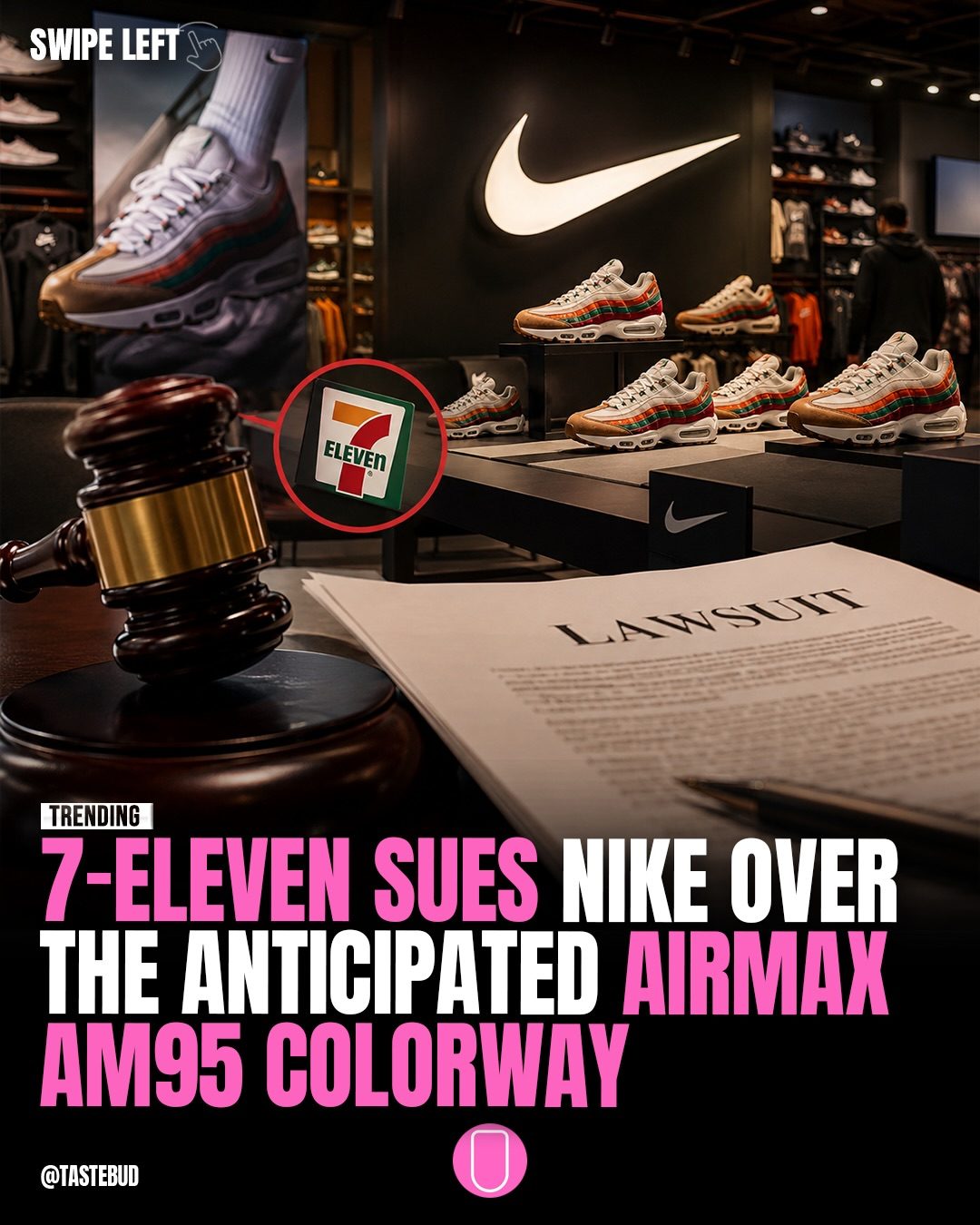
7-Eleven vs. Nike: A Colorway Controversy
The ongoing legal battle between 7-Eleven and Nike over the Air Max 95 sneakers highlights the intricate landscape of brand protection and intellectual property. The dispute revolves around the upcoming Nike Air Max 95 colorway, which 7-Eleven alleges copies their signature color scheme and branding. This case underscores the importance of visual identity and trademark rights in the competitive fashion industry.
Why This Matters
In the fiercely competitive world of fashion and footwear, brands invest heavily in creating unique and recognizable identities. The colors, logos, and design elements that make up a brand's visual identity are often protected by trademarks, ensuring that competitors cannot replicate them without legal consequences. The 7-Eleven vs. Nike lawsuit illustrates how seriously brands take these protections and how they are willing to go to great lengths to defend their intellectual property.
The Details of the Lawsuit
The Allegations
7-Eleven claims that the upcoming Nike Air Max 95 colorway infringes on their signature branding. The convenience store chain is particularly concerned about the use of their signature orange, green, and red color scheme. This color combination is instantly recognizable and has long been associated with 7-Eleven, serving as a crucial element of their brand identity. The lawsuit also points out that the insole design of the Air Max 95 resembles a convenience store shelf, further solidifying their claim of trademark infringement.
The Legal Action
In response to these allegations, 7-Eleven has taken legal action against Nike, seeking to block the release of the Air Max 95 colorway scheduled for July 11. They are also requesting a recall of any existing pairs that have already been produced and sold. Additionally, 7-Eleven is seeking damages, indicating the potential financial impact they believe the infringement has caused. This legal move is a significant step in protecting their brand and ensuring that their intellectual property is not misused by competitors.
The Importance of Branding
Visual Identity
For any brand, visual identity is a critical component of its overall strategy. It encompasses everything from the logo and color scheme to the typography and design elements used in marketing materials. A strong visual identity helps a brand stand out in a crowded market and creates a lasting impression in the minds of consumers. In the case of 7-Eleven, their signature color scheme has become synonymous with the brand, making it a valuable asset that they are determined to protect.
Trademark Rights
Trademark rights provide legal protection for brand elements that distinguish a company's products or services from those of its competitors. By securing trademark protection for their visual identity, brands can prevent others from using similar elements that could confuse consumers or dilute their brand. In the context of the 7-Eleven vs. Nike lawsuit, the convenience store chain is leveraging their trademark rights to prevent Nike from using their signature branding without authorization.
Practical Tips for Brand Protection
Conducting a Trademark Search
Before launching a new product or campaign, it's essential to conduct a thorough trademark search. This process involves checking existing trademarks to ensure that your brand elements do not infringe on someone else's intellectual property. By doing so, you can avoid legal disputes and potential damages.
Building a Strong Brand Identity
Creating a strong brand identity involves more than just choosing a logo and color scheme. It requires a deep understanding of your target audience and the competitive landscape. By developing a unique and recognizable brand identity, you can differentiate yourself from competitors and build a loyal customer base.
Enforcing Trademark Rights
Once you have secured trademark protection for your brand elements, it's crucial to enforce your rights actively. This may involve monitoring the market for potential infringements, sending cease and desist letters, and taking legal action when necessary. By being proactive in enforcing your trademark rights, you can protect your brand and maintain its value over time.
Important Takeaways
The 7-Eleven vs. Nike lawsuit serves as a reminder of the importance of brand protection and intellectual property rights. It highlights the need for brands to conduct thorough trademark searches, build strong brand identities, and enforce their trademark rights actively. By doing so, they can safeguard their valuable assets and maintain their competitive edge in the market.
Conclusion
The legal battle between 7-Eleven and Nike over the Air Max 95 colorway is a significant case in the world of fashion and footwear. It underscores the importance of visual identity and trademark rights, and the lengths brands are willing to go to protect their intellectual property. As the fashion industry continues to evolve, this lawsuit serves as a valuable lesson for brands looking to safeguard their unique identities and maintain their competitive edge.
Watch the Reel
Questions readers ask
What are the main points of contention in the 7-Eleven vs. Nike lawsuit?
The primary issues in the lawsuit are Nike's use of 7-Eleven's signature color scheme and a convenience shelf-like insole design on the Air Max 95 sneakers. 7-Eleven alleges that these elements infringe on their trademarked branding, leading to a dispute over visual identity and trademark rights.
Why is the colorway of the Nike Air Max 95 significant in this lawsuit?
The colorway of the Nike Air Max 95 is significant because it closely mimics 7-Eleven's distinctive color scheme. This similarity is at the heart of 7-Eleven's claim that Nike has infringed on their trademarked branding, using colors that are strongly associated with the convenience store chain.
What role does brand identity play in the fashion industry, as highlighted by this lawsuit?
Brand identity is crucial in the fashion industry as it helps brands stand out and be recognizable to consumers. This lawsuit underscores how vital it is for brands to protect their visual identities, including colors and design elements, through trademarks to prevent misuse by competitors.
How does the convenience shelf design factor into the dispute between 7-Eleven and Nike?
The convenience shelf-like insole design in the Nike Air Max 95 is seen as a direct reference to 7-Eleven's distinctive shelf design, further strengthening 7-Eleven's claim of trademark infringement. This design element, along with the color scheme, contributes to the overall visual similarity that 7-Eleven is challenging.
What are the potential implications of this lawsuit for other fashion brands?
This lawsuit serves as a reminder to fashion brands about the importance of protecting their visual identity and trademarks. It highlights the need for brands to be vigilant about potential infringements and to take legal action when necessary to safeguard their brand's unique elements.
What steps can brands take to protect their visual trademarks in the fashion industry?
Brands can protect their visual trademarks by registering their unique colors, logos, and design elements with the appropriate authorities. Regularly monitoring the market for potential infringements and taking prompt legal action when necessary can help maintain the integrity of a brand's visual identity.
Related deep dives
Similar reads based on topic and creator.


Recent articles
Fresh deep dives from the latest Reels we unpacked.




Comments
Be the first to comment.