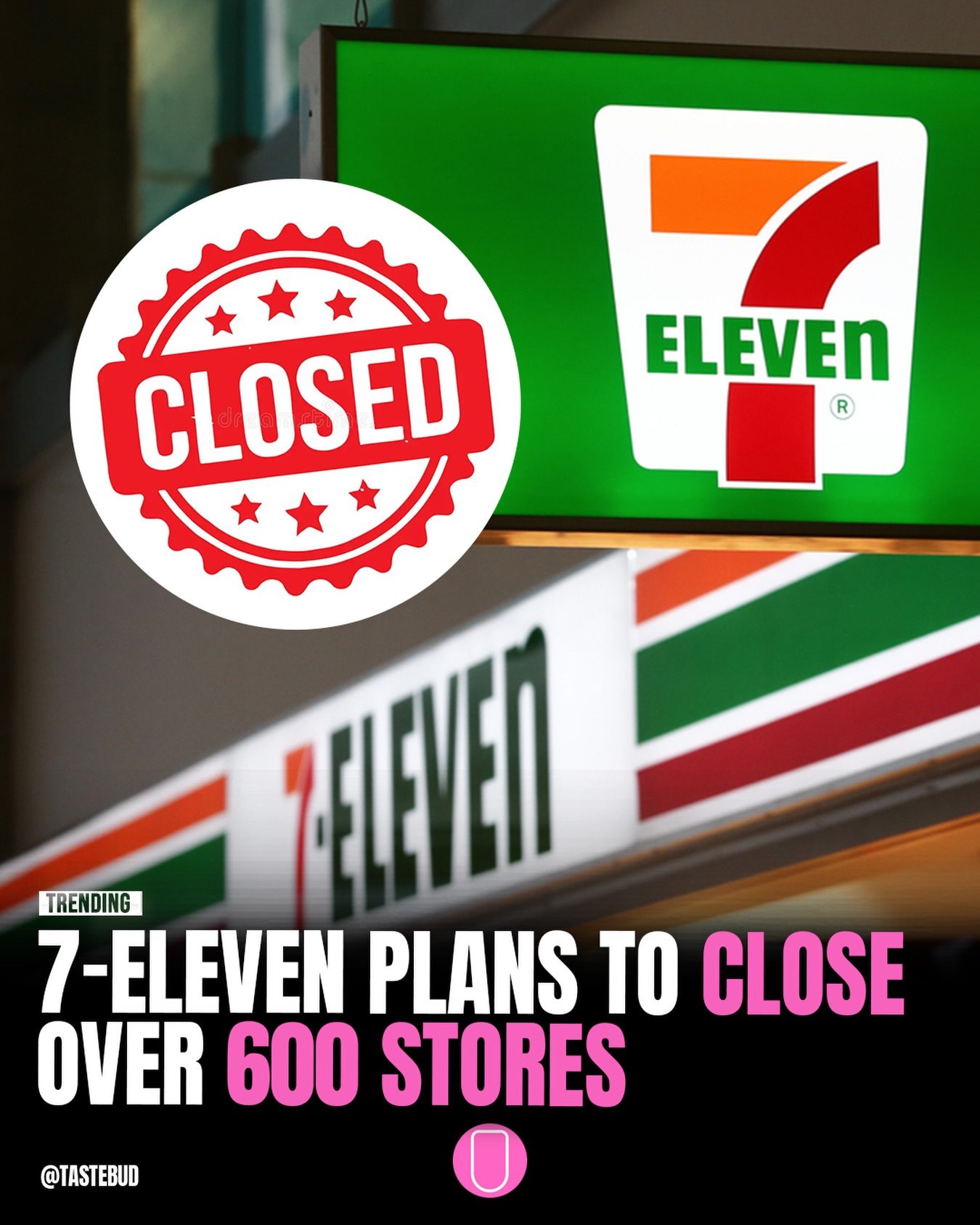
7-Eleven Store Closures: A Strategic Shift in the Convenience Store Giant
The news that 7-Eleven is planning to close 645 locations this fiscal year has sparked significant attention, especially given the simultaneous announcement of plans to open over 200 new locations. This dual strategy of closing and opening stores reflects a broader shift in the company's approach to its North American division, which has seen two consecutive years of negative growth. Understanding the reasons behind these changes and their potential impacts on the convenience store landscape is crucial for both consumers and industry observers.
Context: 7-Eleven's Operational Challenges
The decision to close a significant number of 7-Eleven stores in North America is not isolated. Instead, it is part of a broader strategy to address operational challenges and financial pressures. The company's North American division has faced declining revenues and negative growth over the past two years. This decline, coupled with the shrinking store count, has increased the pressure on the business to adapt and innovate.
Financial Strain and Public Offering Plans
One of the major factors contributing to 7-Eleven's decision to close stores is the financial strain the company is under. The negative growth in North America has led to a reduction in overall profitability, which in turn makes it difficult to sustain a large number of underperforming locations. Additionally, the company's plans to take its North American division public have been delayed until next year. This delay indicates that the company is re-evaluating its financial strategies and may be focusing on consolidating its operations before seeking further investments.
Strategic Store Closures
The closure of 645 locations is not a random decision but a strategic move to focus on more profitable and viable locations. The company has likely identified these 645 stores as underperforming or located in areas where customer demand is low. By closing these stores, 7-Eleven can redirect resources to more promising areas and improve the overall efficiency of its operations.
Expansion Plans
While the store closures are significant, it's important to note that 7-Eleven is also planning to open over 200 new locations. This dual approach of closing and opening stores is part of a strategic realignment to better serve its customer base. The new locations are likely to be in areas with higher growth potential, where the demand for convenience stores is increasing.
Impact on North American Market
The impact of these closures and openings on the North American market will be multifaceted. On one hand, consumers in areas where stores are closing may face reduced convenience and accessibility to 7-Eleven products. On the other hand, those in areas where new stores are opening may benefit from increased convenience and a broader range of products and services. The company's focus on strategic realignment also suggests a commitment to improving the overall customer experience and operational efficiency.
Challenges Ahead
Despite these strategic moves, 7-Eleven still faces several challenges. The delayed plans to take the North American division public indicate that the company is still working through financial and operational hurdles. Additionally, the convenience store landscape is highly competitive, with other major players like Circle K, Wawa, and Speedway vying for market share. 7-Eleven will need to continue innovating and adapting to maintain its competitive edge.
Practical Tips for Affected Customers
For customers in areas where 7-Eleven stores are closing, the transition can be challenging. Here are some practical tips to help navigate the changes:
-
Explore Alternatives: Look for alternative convenience stores in your area. Other chains like Circle K, Wawa, or local independent stores may offer similar products and services.
-
Online Shopping: Consider using online shopping options for convenience items. Many retailers offer delivery services for groceries and other essentials, which can be a convenient alternative to physical stores.
-
Community Engagement: Engage with local community groups or social media platforms to stay informed about new store openings or other changes in your area.
Important Takeaways
- Strategic Realignment: 7-Eleven's decision to close 645 stores and open 200 new ones is a strategic move to address financial pressures and improve operational efficiency.
- Financial Pressures: The company faces significant financial challenges, including negative growth and delayed public offering plans.
- Customer Impact: The closures and openings will have a direct impact on customers, affecting their accessibility to 7-Eleven products and services.
- Competitive Landscape: The convenience store market is highly competitive, and 7-Eleven will need to continue innovating to maintain its market position.
Conclusion
The decision by 7-Eleven to close 645 locations while expanding to 200 new ones is a strategic move aimed at addressing financial challenges and improving operational efficiency. This dual approach reflects the company's commitment to adapting to the evolving market landscape and better serving its customer base. For customers, the changes may require some adjustments, but they also present opportunities to explore alternative convenience options and stay informed about new developments in the market.
Watch the Reel
Questions readers ask
Why is 7-Eleven closing so many stores in North America?
7-Eleven's decision to close 645 stores is driven by operational challenges and financial pressures. The company aims to streamline its operations by focusing on more profitable locations. This move is part of a broader strategy to improve overall performance and adapt to changing market conditions.
Will 7-Eleven be closing stores permanently or temporarily?
The 645 store closures are part of a strategic plan for this fiscal year. While the company has not specified if these closures are temporary or permanent, the goal is to reallocate resources to more profitable and sustainable locations.
How does 7-Eleven plan to support employees affected by these closures?
While specific details on employee support have not been provided, it is typical for companies to offer assistance such as severance packages, job placement services, or opportunities to transfer to other locations. Affected employees should contact 7-Eleven's human resources department for detailed information.
What criteria will 7-Eleven use to decide which stores to close?
The criteria for store closures likely include factors such as profitability, location performance, and the potential for future growth. Stores that consistently underperform or are in less favorable locations may be prioritized for closure as part of this strategic shift.
Why is 7-Eleven opening 200 new locations at the same time as closing 645 stores?
Opening 200 new locations is part of 7-Eleven's strategy to focus on high-growth and high-profit areas, even as it closes less profitable stores. This dual approach allows the company to optimize its retail footprint, ensuring that new locations are strategically placed to better meet customer demands and drive revenue.
How will these changes affect 7-Eleven's overall business strategy?
The changes reflect a strategic shift towards a more efficient and profitable business model. By closing underperforming stores and opening new, strategically located ones, 7-Eleven aims to enhance its market position and financial health, aligning with broader retail trends.
When will these store closures and openings take place?
The store closures and openings are planned for the current fiscal year. Specific timelines for each location may vary, and 7-Eleven is expected to communicate these details directly to affected employees, customers, and stakeholders as the plans progress.
Related deep dives
Similar reads based on topic and creator.


Recent articles
Fresh deep dives from the latest Reels we unpacked.




Comments
Be the first to comment.