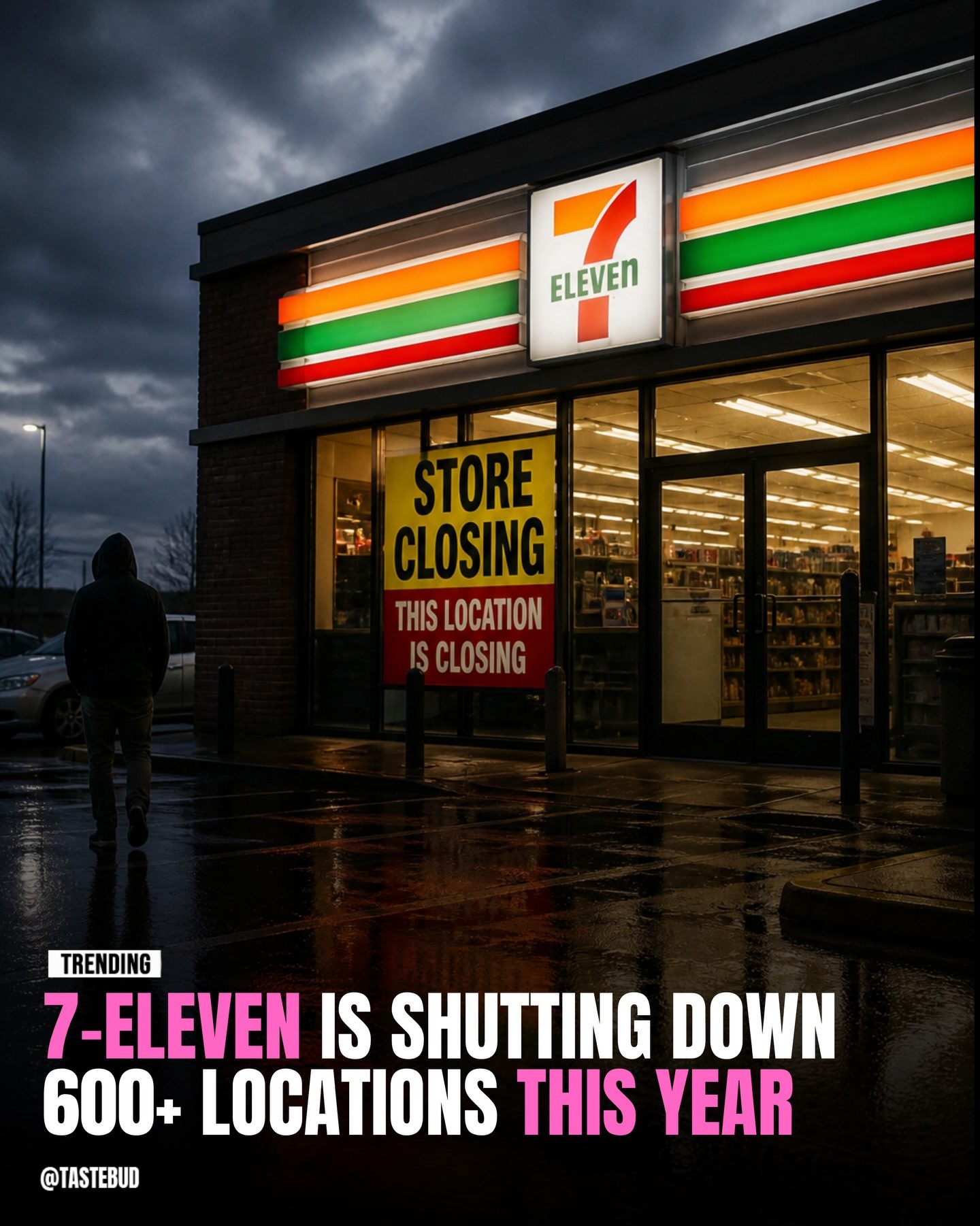
7-Eleven’s Strategic Shift: Store Closures and Modernization
7-Eleven’s recent announcement to close around 645 stores across North America during its 2026 fiscal year marks a significant shift in the company's retail strategy. This move is part of a broader plan to modernize operations and stay competitive in a rapidly evolving retail landscape. Simultaneously, the convenience store giant plans to open about 205 new locations, many of which will be larger and more focused on food offerings. Some closures may also be converted into gas-only sites, indicating a strategic reallocation of resources rather than a full-scale retreat.
Why This Matters
The retail industry is in a state of flux, driven by changing consumer behaviors and technological advancements. 7-Eleven’s decision to close and reconfigure its stores reflects a broader trend in the convenience store sector. Understanding this shift provides valuable insights into the future of retail and how companies are adapting to stay relevant.
The Strategic Rationale
Modernizing Operations
7-Eleven’s plan to close certain locations is driven by the need to modernize its operations. This involves updating store formats, enhancing digital capabilities, and improving the overall customer experience. By closing underperforming stores, 7-Eleven can concentrate its resources on more profitable and strategically valuable locations.
Competitive Pressures
The retail market is highly competitive, with new entrants and established players constantly vying for market share. 7-Eleven’s strategy aims to position the company more competitively by focusing on areas with higher growth potential. This includes urban centers and locations with strong demand for convenience stores.
Focus on Food Offerings
One of the key aspects of 7-Eleven’s modernization plan is the increased focus on food offerings. Many of the new locations will be designed to provide a broader range of food options, catering to the growing demand for quick and convenient meal solutions. This shift aligns with consumer trends that prioritize convenience and quality in food choices.
Resource Allocation
The conversion of some closures into gas-only sites highlights 7-Eleven’s strategy to reallocate resources more effectively. By focusing on high-demand areas and optimizing resource use, 7-Eleven can enhance its overall operational efficiency and profitability.
Main Discussion
The Impact on Employees and Communities
While the focus of 7-Eleven’s strategy is on operational efficiency and modernization, it is essential to consider the impact on employees and local communities. Store closures can lead to job losses and disrupt community services. However, 7-Eleven’s plan to open new, larger locations may offset some of these impacts by creating new job opportunities and improving community services in areas with higher demand.
The Future of Convenience Stores
The convenience store sector is evolving to meet the changing needs of consumers. 7-Eleven’s strategy aligns with broader industry trends that emphasize digital integration, enhanced customer experiences, and a focus on food offerings. As more consumers prioritize convenience and quality, convenience stores that adapt to these trends are likely to thrive.
Adapting to Technological Changes
Technology plays a crucial role in the modernization of convenience stores. 7-Eleven’s plan to update its digital capabilities and enhance the customer experience reflects a growing trend in the retail industry. By leveraging technology, convenience stores can streamline operations, personalize customer interactions, and stay competitive in a rapidly changing market.
Sustainable Practices
Modernizing operations also involves adopting sustainable practices. 7-Eleven’s strategy to close underperforming stores and focus on high-demand locations can reduce its environmental footprint by optimizing resource use and energy consumption. Additionally, the focus on food offerings can encourage more sustainable food practices, such as locally sourced ingredients and eco-friendly packaging.
Practical Tips for Retailers
Assessing Store Performance
Retailers considering a similar strategy should start by assessing the performance of their stores. Identify underperforming locations and evaluate their potential for improvement. This assessment can help inform decisions about which stores to close and which to invest in.
Enhancing Digital Capabilities
Investing in digital capabilities is crucial for modernizing operations. This includes implementing online ordering systems, mobile payment options, and digital marketing strategies. By enhancing digital capabilities, retailers can improve the customer experience and stay competitive in a technology-driven market.
Focusing on High-Demand Areas
Retailers should focus on high-demand areas with strong growth potential. This involves conducting market research to identify areas with high consumer traffic and strong demand for convenience stores. By focusing on these areas, retailers can optimize their operations and enhance profitability.
Prioritizing Sustainability
Adopting sustainable practices is essential for modernizing retail operations. Retailers should prioritize sustainability by optimizing resource use, reducing energy consumption, and implementing eco-friendly practices. This can help retailers reduce their environmental footprint and appeal to environmentally conscious consumers.
Important Takeaways
Strategic Closing and Opening of Stores
7-Eleven’s plan to close and open stores reflects a strategic approach to modernizing operations and staying competitive. By focusing on high-demand areas and enhancing digital capabilities, 7-Eleven can optimize its operations and enhance profitability.
Focus on Food Offerings
The increased focus on food offerings aligns with consumer trends that prioritize convenience and quality. Retailers should consider enhancing their food offerings to cater to the growing demand for quick and convenient meal solutions.
Resource Allocation
Reallocating resources more effectively can enhance operational efficiency and profitability. Retailers should consider converting underperforming stores into specialized sites, such as gas-only locations, to optimize resource use.
Consumer Trends
Consumer trends are evolving, and convenience stores must adapt to stay relevant. By focusing on digital integration, enhanced customer experiences, and sustainable practices, retailers can meet the changing needs of consumers and stay competitive in a rapidly changing market.
Conclusion
7-Eleven’s strategic shift to close and reconfigure its stores marks a significant move in the convenience store sector. By modernizing operations, enhancing digital capabilities, and focusing on high-demand areas, 7-Eleven aims to stay competitive and meet the evolving needs of consumers. This strategy offers valuable insights into the future of retail and how companies can adapt to stay relevant in a rapidly changing market.
Watch the Reel
Questions readers ask
How many 7-Eleven stores are planned to close by 2026?
The plan entails the closure of approximately 645 stores across North America by 2026, as part of a strategy to streamline operations and focus on more profitable locations.
What is the main goal of 7-Eleven's store closure and modernization plan?
The primary goal is to adapt to the changing retail environment and competitive pressures, by revitalizing operations, enhancing digital capabilities, and expanding food offerings in key locations.
Will 7-Eleven be opening new stores as it closes others?
Yes, 7-Eleven plans to open around 205 new stores by 2026, with many of these new locations being larger and more focused on food offerings.
What will happen to some of the closed 7-Eleven stores?
Some of the closed 7-Eleven stores may be converted into gas-only sites, allowing 7-Eleven to strategically reallocate resources while maintaining a presence in certain areas.
In which regions will these store closures and openings primarily occur?
The store closures and openings will primarily occur across North America, reflecting 7-Eleven's strategy to adapt to the specific retail dynamics of this region.
How does this plan reflect 7-Eleven's response to competitive pressures?
This plan demonstrates 7-Eleven's proactive approach to competitive pressures by focusing on high-potential locations, enhancing digital capabilities, and expanding food offerings to better meet consumer demands.
What role do digital capabilities play in 7-Eleven's modernization plan?
Enhancing digital capabilities is a key component of 7-Eleven's modernization strategy, enabling the company to leverage technology for improved customer experience, operational efficiency, and competitive advantage.
Related deep dives
Similar reads based on topic and creator.


Recent articles
Fresh deep dives from the latest Reels we unpacked.




Comments
Be the first to comment.