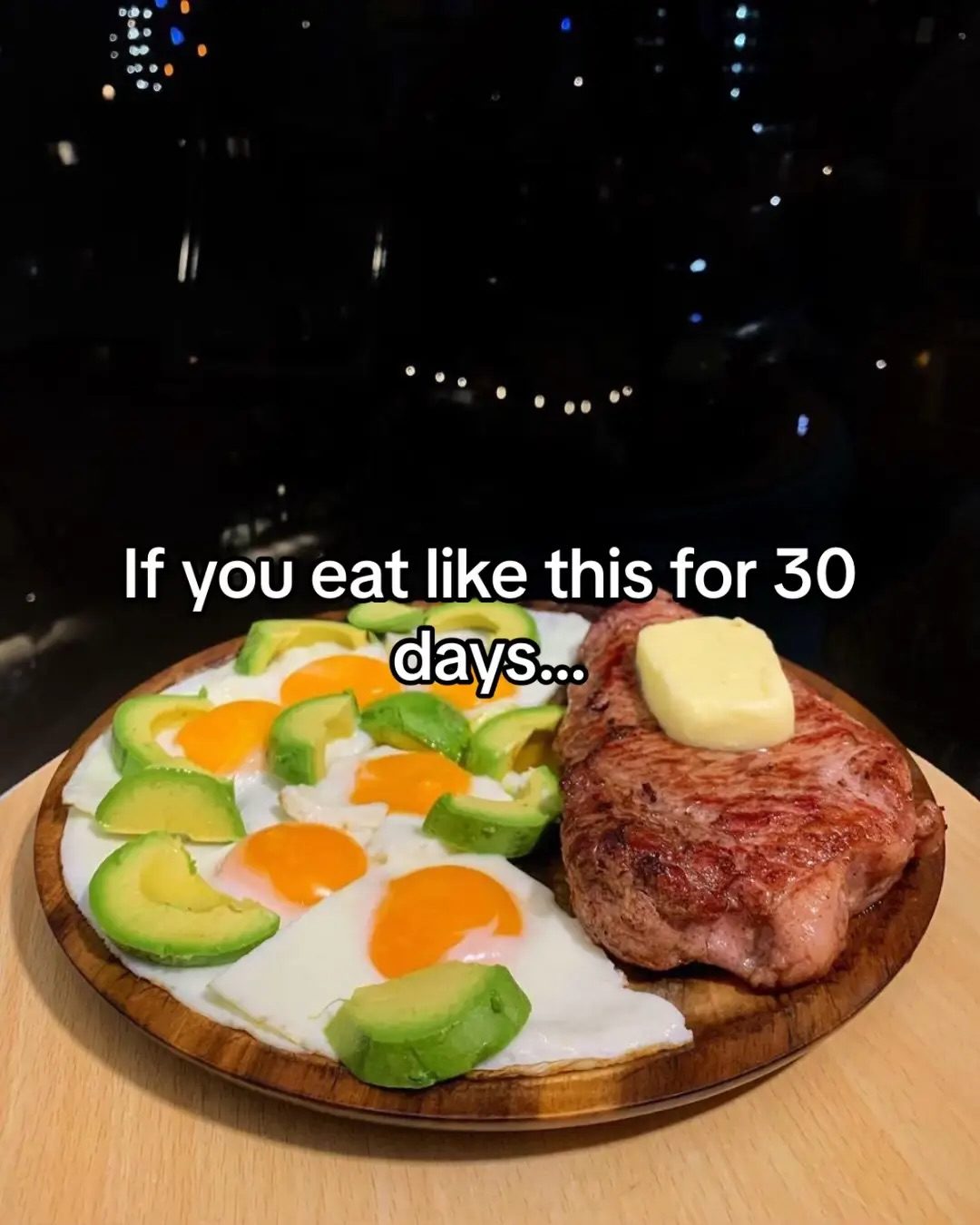
The 30-Day Real Food Challenge
Eating real food for 30 days can transform how your body responds. This isn't about perfection, but about consistency and simplicity. Real food includes protein, healthy fats, simple carbohydrates, and essential micronutrients. These components work together to keep you full, stabilize your energy, fuel your day, and provide the nutrients your body needs. The result? Less bloating, a clearer head, better sleep, more energy, easier fat loss, and a significant reduction in food noise. This approach avoids extremes, starvation, and cutting out entire food groups.
Context / Why This Matters
In today's fast-paced world, it's easy to fall into the trap of quick, processed meals. However, these meals often lack the essential nutrients our bodies need to function optimally. Eating real food consistently can lead to a range of health benefits, from improved digestion to enhanced energy levels.
Main Discussion
The Components of a Real Food Meal
A balanced meal includes several key components:
-
Protein: Essential for keeping you full and maintaining muscle mass.
-
Healthy Fats: Crucial for stabilizing energy levels and supporting brain function.
-
Simple Carbohydrates: Provide the energy needed to power through your day.
-
Micronutrients: Vitamins and minerals that your body needs to function properly.
These components work together to support overall health and wellness.
The 30-Day Real Food Challenge
The 30-day challenge is designed to help you transition to a diet that prioritizes real food. Here are some key aspects of the challenge:
1. Consistent Meals
One of the core principles of the 30-day challenge is consistency. Instead of following a rigid diet plan, the focus is on creating a sustainable eating routine. By eating real food consistently, your body will start to respond differently. You'll feel less inclined to reach for fast food and more inclined to stick with a balanced, nutritious diet.
2. Focus on Whole Foods
The challenge emphasizes whole foods, which are foods in their most natural state. This includes fruits, vegetables, lean proteins, whole grains, and healthy fats. Whole foods are rich in essential nutrients and can help support your body's overall health and wellness.
3. Avoiding Extremes
The 30-day challenge is not about extremes. It doesn't require you to cut out entire food groups or starve yourself. Instead, it encourages a balanced approach to eating, where you focus on consuming real food and avoiding processed, nutrient-poor options.
Meal Ideas
Here are a few meal ideas to get you started on the 30-day real food challenge:
High-Protein Meal
A high-protein meal can include a variety of ingredients. For example, a plate of steak, eggs, and avocado. These foods provide a mix of proteins, healthy fats, and essential nutrients. Here's how you can prepare it:
-
Steak: Grill or pan-sear to your desired level of doneness.
-
Eggs: Boil or scramble for a quick and easy protein source.
-
Avocado: Slice and serve on the side or mash and use as a spread.
Seafood and Fruit Platter
A seafood and fruit platter is another great option. Combine a variety of seafood with fresh fruits for a meal that's both delicious and nutritious. Here's how to create it:
-
Seafood: Choose a variety of seafood options, such as shrimp, salmon, and crab.
-
Fruits: Include a mix of fresh fruits, such as berries, grapes, and sliced melon.
-
Arrangement: Serve the seafood and fruits on a wooden board for a visually appealing presentation.
Practical Tips
-
Plan Ahead: Planning your meals in advance can help ensure that you have the ingredients you need to prepare real food meals.
-
Stay Hydrated: Drinking plenty of water is essential for overall health and can also help you feel full and satisfied.
-
Listen to Your Body: Pay attention to your body's response to different foods. Real food should make you feel energized and satisfied, not sluggish or bloated.
-
Keep it Simple: Don't overcomplicate your meals. Simple, whole foods are often the most nutritious and satisfying.
Important Takeaways
-
Consistency is Key: Eating real food consistently can lead to significant health benefits.
-
Avoid Extremes: Focus on balance and sustainability, not on rigid diet rules.
-
Plan Ahead: Planning your meals can help ensure that you have the ingredients you need to prepare nutritious meals.
-
Listen to Your Body: Pay attention to how different foods make you feel, and adjust your diet accordingly.
Conclusion
The 30-day real food challenge is a practical approach to improving your diet and overall health. By focusing on whole foods, avoiding extremes, and maintaining a consistent eating routine, you can support your body's natural processes and achieve better health. Give it a try and experience the benefits for yourself.
Watch the Reel
Questions readers ask
What are the key components of the 30-day real food diet?
The key components are protein, healthy fats, simple carbohydrates, and essential micronutrients. These elements work together to keep you satisfied, stabilize your energy levels, and provide your body with necessary nutrients.
How does the 30-day real food diet help with bloating?
By focusing on whole, nutrient-dense foods, this diet can help reduce bloating. Real foods are easier to digest and promote a healthier gut environment, leading to less discomfort and a flatter stomach.
Can the 30-day real food diet help improve my sleep?
Yes, by providing your body with a steady supply of nutrients, the diet can help regulate your sleep patterns. The balance of protein, healthy fats, and simple carbohydrates promotes better sleep by keeping your blood sugar stable.
How can I maintain consistent eating habits during the 30-day nutrition challenge?
To maintain consistency, plan your meals in advance. Use a daily meal plan and prep your meals for the week. This will help you stay on track and avoid impulsive, unhealthy food choices.
What is the WorkIt Nutrition app and how can it help with the 30-day real food transformation?
This app is a helpful tool for planning and tracking your meals, It provides personalized meal plans, recipes, and nutritional guidance. The app can help you stay accountable and motivated during your 30-day real food journey.
What should I expect in terms of energy levels during the 30-day real food diet?
You can expect a significant improvement in your energy levels. Real foods provide a steady supply of nutrients, helping you avoid energy crashes and feel more energized throughout the day.
How does the 30-day real food diet support easy fat loss?
This diet supports fat loss by keeping you full and satisfied, reducing cravings, and stabilizing your energy levels. The focus on nutrient-dense foods helps your body burn fat more efficiently, leading to easier fat loss without extreme measures.
Recent articles
Fresh deep dives from the latest Reels we unpacked.




Comments
Be the first to comment.