Energy Grid Emergency
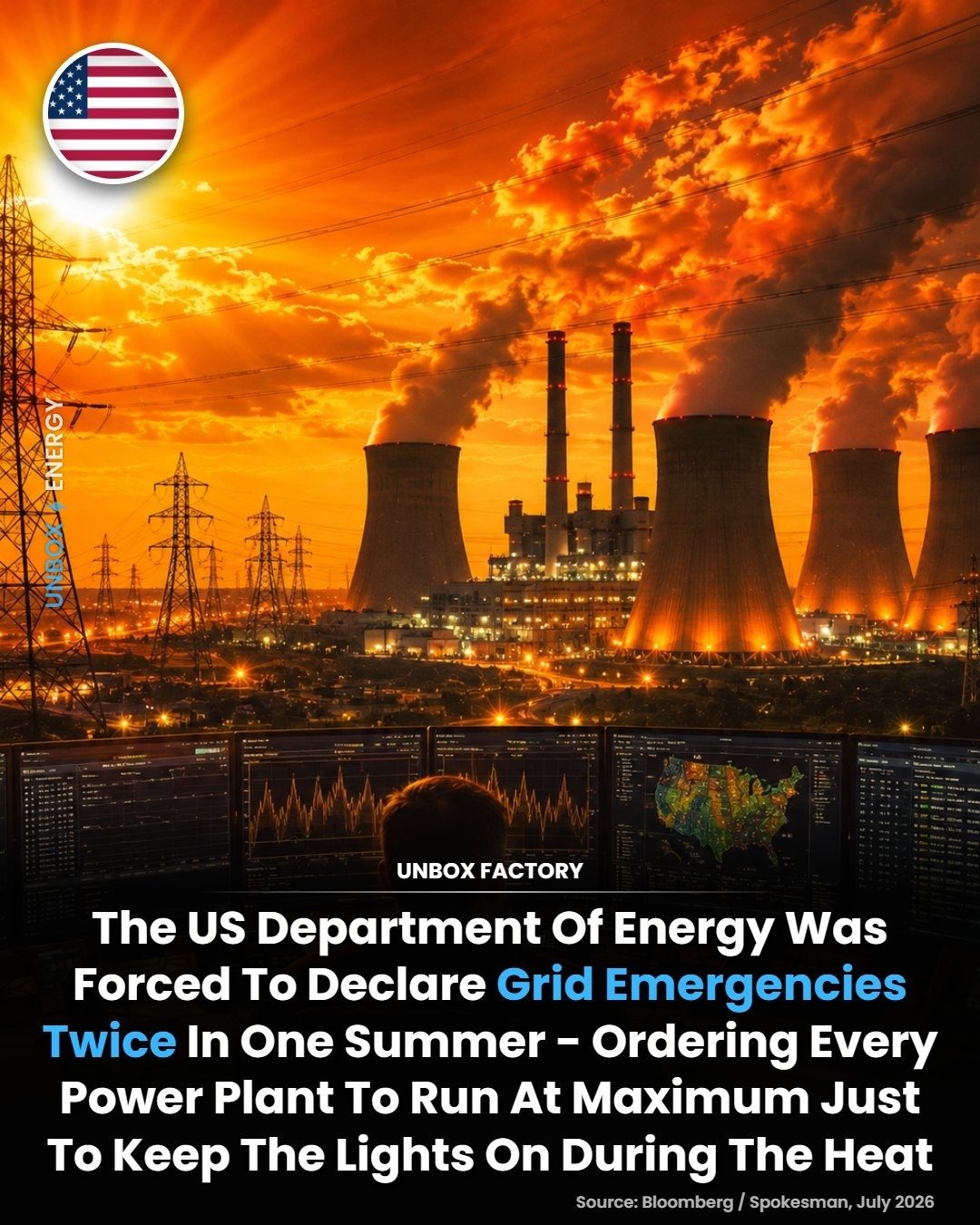
In the summer of 2026, the U.S. Department of Energy issued two emergency grid reliability orders in response to record-breaking heat and historically high electricity demand. This unprecedented situation required power plants to operate at maximum capacity to prevent widespread blackouts, as air-conditioning use surged across the country. The heat dome affected over 200 million Americans, pushing electricity demand to new heights and underscoring the urgent need for grid modernization and new power generation.
Why this matters
The summer of 2026 was a critical juncture for the U.S. power grid, highlighting vulnerabilities and the urgent need for modernization. This isn't a hypothetical scenario; it's a reality that grid operators are already grappling with. The rapid growth in AI data centers, electric vehicles, and overall electrification are all contributing to a significant increase in peak electricity demand. Understanding the events of that summer and the measures taken to maintain grid reliability is crucial for planning a more resilient energy future.
The summer of 2026: A perfect storm
Extreme heat and electricity demand
The summer of 2026 was marked by extreme heat, with temperatures soaring across the country. The resulting heat dome affected more than 200 million Americans, driving electricity demand to unprecedented levels. Air conditioning became a necessity for many, leading to a massive surge in power consumption. This spike in demand put immense pressure on the power grid, pushing it to its limits.
Emergency grid reliability orders
In response to the extreme demand, the U.S. Department of Energy issued two emergency grid reliability orders. These orders authorized utilities to operate every available power plant at maximum output. The goal was clear: prevent widespread blackouts and maintain grid stability. This was a drastic measure, but one that was deemed necessary to keep the lights on during the heatwave.
Operating at maximum capacity
Power plants across the country were ordered to run at maximum capacity. This meant that every available resource was utilized to generate as much electricity as possible. The dramatic scene of power plants emitting smoke against an orange sky serves as a stark reminder of the intense efforts required to meet the unprecedented demand. The visualizations and graphs accompanying the scene provided a clear picture of the strain on the grid.
The role of AI data centers and electric vehicles
The unprecedented demand faced in 2026 was not just due to air conditioning. The rapid growth in AI data centers and electric vehicles has significantly contributed to the increase in peak electricity demand. These technologies are energy-intensive and require a stable and reliable power supply. As their adoption continues to rise, the pressure on the power grid will only intensify.
AI data centers
AI data centers are essential for the functioning of modern technology and services. However, they consume vast amounts of electricity to power their operations. As AI continues to advance, the energy requirements for these centers will only increase, further straining the power grid.
Electric vehicles
Electric vehicles (EVs) are becoming increasingly popular as a sustainable alternative to traditional cars. However, their widespread adoption will put additional pressure on the power grid. Charging these vehicles requires a significant amount of electricity, and if not managed properly, can lead to local grid congestion and outages.
The need for grid modernization and new power generation
The events of the summer of 2026 underscored the urgent need for grid modernization and new power generation. To meet future demands and ensure grid reliability, several steps are necessary:
Modernizing the power grid
Modernizing the power grid involves upgrading existing infrastructure to improve efficiency and reliability. This includes investments in smart grid technologies, renewable energy sources, and energy storage solutions. These upgrades are essential for managing the increased demand and ensuring a stable power supply.
New power generation
To meet the growing demand, new power generation capacity is needed. This includes both traditional and renewable energy sources. Renewable energy sources, such as solar and wind, are crucial for reducing carbon emissions and ensuring a sustainable energy future. However, they also present challenges in terms of intermittency and integration into the power grid.
Planning for the future
Planning for the future requires a comprehensive approach that takes into account the increasing demand for electricity. This includes not just grid modernization and new power generation, but also demand response programs, energy efficiency initiatives, and advanced grid management techniques.
Practical tips
For consumers, understanding the strain on the power grid can help in making more informed decisions. Here are some practical tips to help manage electricity usage during peak demand periods:
Use energy-efficient appliances
Energy-efficient appliances consume less electricity and can help reduce the overall demand on the grid. Look for appliances with high energy efficiency ratings and consider upgrading older models.
Be mindful of air conditioning use
Air conditioning is one of the biggest contributors to peak electricity demand. Use it judiciously by setting the thermostat to a reasonable temperature and using fans to circulate cool air. Consider using programmable thermostats to automatically adjust the temperature when you're away.
Charge electric vehicles at off-peak hours
Charging electric vehicles during off-peak hours can help reduce the strain on the grid during peak demand periods. Many utilities offer incentives for charging during off-peak times, which can also result in cost savings.
Participate in demand response programs
Demand response programs encourage consumers to reduce their electricity usage during peak demand periods. Participating in these programs can help maintain grid stability and may even result in financial incentives.
Important takeaways
The events of the summer of 2026 serve as a wake-up call for the energy sector. Here are the key takeaways:
- Extreme weather events and increasing electricity demand pose significant challenges to the power grid.
- Emergency measures, such as operating power plants at maximum capacity, can help maintain grid reliability but are not a long-term solution.
- The rapid growth in AI data centers and electric vehicles will continue to increase peak electricity demand, making grid modernization and new power generation increasingly urgent.
- Consumers can play a role in managing electricity demand by adopting energy-efficient practices and participating in demand response programs.
Conclusion
The summer of 2026 was a pivotal moment for the U.S. power grid, highlighting the urgent need for modernization and new power generation. As electricity demand continues to rise, driven by factors such as extreme weather and the growth of energy-intensive technologies, it is crucial to invest in a more resilient and sustainable energy future. By understanding the challenges and taking proactive steps, we can ensure a reliable power supply for generations to come.
Watch the Reel
Questions readers ask
What triggered the 2026 grid emergency orders in the U.S.?
The 2026 grid emergency orders were triggered by an extreme heatwave that caused a record-breaking surge in electricity demand. The high demand, driven largely by increased air-conditioning use, threatened to overwhelm the power grid, leading the U.S. Department of Energy to take emergency action to ensure reliability.
How did the 2026 heatwave impact electricity demand?
The 2026 heatwave led to a significant increase in electricity demand, as millions of Americans relied heavily on air-conditioning to cope with the extreme temperatures. This surge in demand pushed the power grid to its limits, with electricity consumption reaching unprecedented levels.
What measures were taken to prevent blackouts during the 2026 energy crisis?
To prevent blackouts, the U.S. Department of Energy issued emergency orders requiring power plants to operate at maximum capacity. These measures were crucial in maintaining grid reliability amid the record-breaking electricity demand caused by the heatwave.
Why is grid modernization important in the context of the 2026 heatwave?
The 2026 heatwave highlighted the vulnerabilities of the existing power grid. Modernization is important to increase the grid's capacity and resilience, ensuring it can handle future spikes in electricity demand, such as those caused by extreme weather events.
What role did the Department of Energy play during the 2026 energy crisis?
The Department of Energy played a critical role by issuing emergency grid reliability orders. These orders mandated that power plants operate at full capacity to meet the unprecedented electricity demand and prevent widespread blackouts during the heatwave.
How can we better prepare for future spikes in summer electricity demand?
To better prepare for future spikes in summer electricity demand, investments in grid modernization, expansion of power generation capacity, and implementation of demand management strategies are essential. These steps can help ensure the grid's reliability during extreme weather events.
What regions were most affected by the 2026 heatwave and the resulting grid emergency orders?
The 2026 heatwave, which affected over 200 million Americans, resulted in widespread grid emergency orders across the country. The heat dome impacted numerous regions, leading to historically high electricity demand and necessitating emergency measures to maintain grid reliability.
Related deep dives
Similar reads based on topic and creator.




Recent articles
Fresh deep dives from the latest Reels we unpacked.



Comments
Be the first to comment.