Hotmail Security Vulnerability
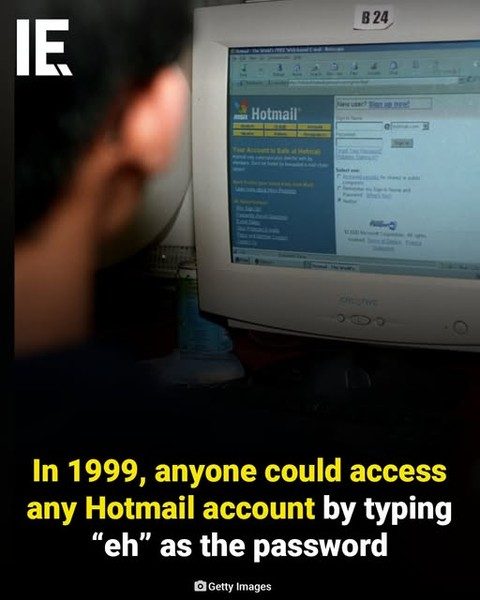
In 1999, Hotmail faced one of the most severe and widespread web security breaches in its history. A critical flaw in its login script allowed any user to access any account by simply entering "eh" as the password. This vulnerability was swiftly exploited, and it remains a significant event in the history of cybersecurity.
The 1999 Hotmail Breach
In August 1999, a hacker group called Hackers Unite publicized a flaw in Hotmail's login system. This exploit allowed anyone to bypass the password protection and gain access to any account. The breach exposed millions of accounts within minutes, causing widespread concern and highlighting the vulnerabilities of early web services.
The exploit was a simple but effective bypass. Users could log into any Hotmail account by typing "eh" as the password. This vulnerability was a result of a flaw in the login script, which did not properly validate the password input. Hackers Unite publicized this exploit, leading to a rapid spread of the information and subsequent exploitation of the flaw.
Microsoft's Response
Microsoft, the owner of Hotmail at the time, quickly responded to the breach. The company acknowledged the vulnerability and promptly patched the issue. Despite the swift action, Microsoft denied that the vulnerability was a deliberate backdoor, insisting that it was an unintentional oversight in the login script.
The Impact on Cybersecurity
The 1999 Hotmail breach had a profound impact on the cybersecurity landscape. It served as a wake-up call for many companies, highlighting the importance of robust security measures and thorough testing. The incident underscored the need for continuous monitoring and immediate response to vulnerabilities.
The breach also brought attention to the potential risks associated with web-based services. As more users migrated to online platforms, the need for secure login systems and data protection became increasingly important. Companies began to invest more in cybersecurity, recognizing the potential consequences of vulnerabilities and breaches.
Lessons Learned
The 1999 Hotmail breach offers several valuable lessons for cybersecurity professionals and companies today. Here are some key takeaways:
Importance of Security Testing
One of the primary lessons from the 1999 Hotmail breach is the importance of thorough security testing. Companies must ensure that their systems are rigorously tested for vulnerabilities before they are exposed to the public. This includes conducting regular security audits and penetration testing to identify and address potential weaknesses.
Prompt Response to Vulnerabilities
Another critical lesson is the need for a prompt response to vulnerabilities. When a security flaw is discovered, it is essential to act quickly to patch the issue and prevent exploitation. Companies should have incident response plans in place to ensure a swift and effective response to any security breaches.
User Awareness
The 1999 Hotmail breach also highlights the importance of user awareness. While companies bear the responsibility for securing their systems, users also play a crucial role in maintaining security. It is essential for users to be aware of potential risks and to take steps to protect their accounts, such as using strong, unique passwords and enabling two-factor authentication.
Continuous Monitoring
Continuous monitoring is another important aspect of cybersecurity. Companies must continuously monitor their systems for any signs of vulnerabilities or unauthorized access. This involves implementing monitoring tools and analytics to detect and respond to potential threats in real-time.
Robust Password Policies
The 1999 Hotmail breach underscores the importance of robust password policies. Companies should enforce strong password requirements and encourage users to use unique, complex passwords. Implementing multi-factor authentication can also add an extra layer of security, making it more difficult for unauthorized users to gain access to accounts.
Regular Updates
Regular updates and patches are essential for maintaining the security of web-based services. Companies should ensure that their systems are up-to-date with the latest security patches and updates to protect against known vulnerabilities. Regular updates can help prevent exploits and keep systems secure.
Denial of Deliberate Backdoor
The denial of a deliberate backdoor by Microsoft is significant in understanding the context of the breach. While the vulnerability was a genuine oversight, it is crucial for companies to be transparent about any security issues and to address them promptly. Companies should avoid any potential for misinformation and ensure that their responses to security breaches are clear and straightforward.
Practical Tips for Protecting Online Accounts
To safeguard online accounts from similar vulnerabilities, consider the following practical tips:
Use Strong, Unique Passwords
Creating strong, unique passwords for each of your online accounts is a fundamental step in protecting your data. Avoid using common passwords or easily guessable information. Consider using a password manager to generate and store complex passwords securely.
Enable Two-Factor Authentication (2FA)
Two-factor authentication adds an extra layer of security by requiring a second form of verification in addition to your password. This can be a code sent to your mobile device, a fingerprint scan, or another method. Enabling 2FA can significantly reduce the risk of unauthorized access to your accounts.
Regularly Update Your Software
Keeping your software and applications up-to-date is crucial for maintaining security. Software updates often include patches for known vulnerabilities, ensuring that your systems are protected against the latest threats. Enable automatic updates whenever possible to ensure you are always using the latest, most secure versions.
Be Cautious of Phishing Attempts
Phishing attacks are a common method used by hackers to gain access to personal information. Be cautious of emails, messages, or calls that ask for your login credentials or personal information. Verify the authenticity of any requests before providing sensitive information.
Monitor Account Activity
Regularly monitor your account activity to detect any unusual behavior. Most online services provide activity logs that show recent logins and changes to your account. Reviewing these logs can help you identify any unauthorized access or suspicious activity.
Use Security Tools
Utilize security tools such as antivirus software, firewalls, and malware detectors to protect your devices and online accounts. These tools can help detect and prevent malicious activity, ensuring that your data remains secure.
Important Takeaways
The 1999 Hotmail breach remains a significant event in the history of cybersecurity, serving as a reminder of the importance of robust security measures. It highlights the need for continuous monitoring, prompt response to vulnerabilities, and strong password policies. The lessons learned from this incident are still relevant today, as companies and individuals strive to protect their data in an increasingly digital world.
Conclusion
The 1999 Hotmail security breach was a pivotal moment in cybersecurity history, revealing the vulnerabilities of early web services and the potential consequences of security flaws. By understanding the lessons learned from this incident, companies and individuals can take proactive steps to protect their data and ensure the security of their online accounts. Implementing strong security measures, continuous monitoring, and prompt responses to vulnerabilities are essential for maintaining cybersecurity in today's digital landscape.
Watch the Reel
Questions readers ask
Who was responsible for discovering the 1999 Hotmail security flaw?
The flaw was discovered and publicized by a hacker group called Hackers Unite. They exposed a critical vulnerability in Hotmail's login system in August 1999, which allowed users to gain access to any account by typing 'eh' as the password.
How did the 1999 Hotmail hack occur?
The hack occurred due to a critical flaw in Hotmail's login script. Users could bypass password protection and access any account by simply entering 'eh' as the password. This vulnerability was quickly exploited, leading to a massive breach.
What was the impact of the 1999 Hotmail hack?
The 1999 Hotmail hack exposed millions of accounts within minutes. It highlighted the vulnerabilities of early web services and raised urgent awareness about the importance of strong password protections and secure login systems.
Why was the 1999 Hotmail hack significant in the history of cybersecurity?
The 1999 Hotmail hack is a significant event in the history of cybersecurity because it was one of the most severe and widespread web security breaches at the time. It demonstrated the dangers of weak security measures and the potential consequences of exploiting such vulnerabilities.
How did Hotmail respond to the 1999 security breach?
Hotmail swiftly took action to address the security flaw and mitigate the breach. The exact steps taken by Hotmail are not detailed in the article, but it is implied that they implemented measures to prevent further unauthorized access to accounts.
Related deep dives
Similar reads based on topic and creator.


Recent articles
Fresh deep dives from the latest Reels we unpacked.




Comments
Be the first to comment.