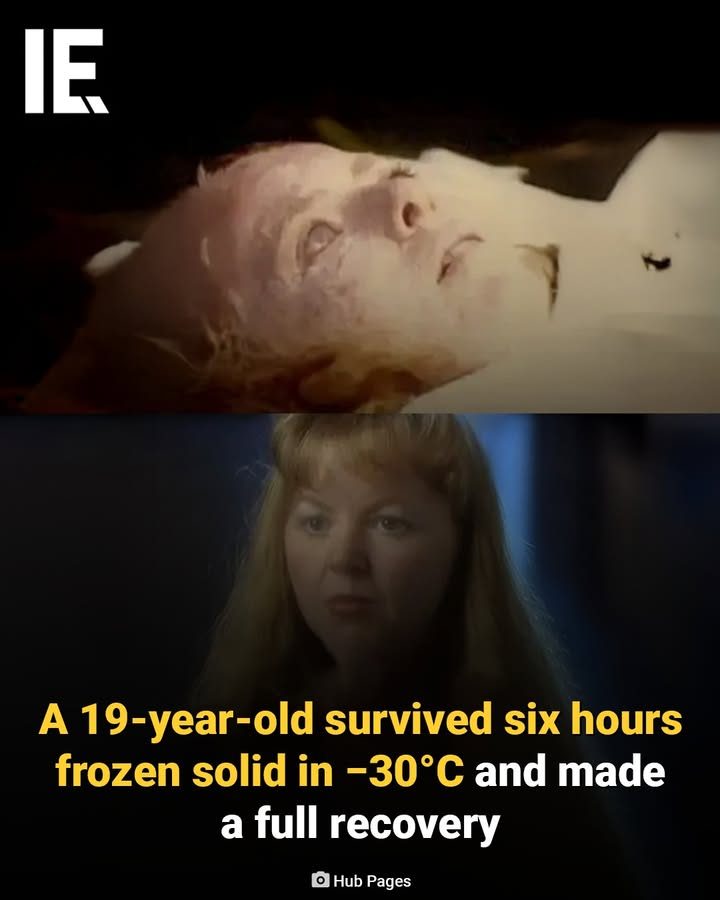
Jean Hilliard: Defying Medical Odds
Jean Hilliard's survival story is one of the most remarkable tales in medical history. In 1980, Hilliard, then just 19 years old, found herself in a life-threatening situation after her car broke down in the frigid cold of Minnesota. The temperature had plunged to a bone-chilling -30°C, and Jean was left stranded in the snow. What followed was a medical miracle that baffled doctors and captivated the world.
Why This Matters
Jean Hilliard's story is more than just an incredible survival tale; it offers valuable insights into the human body's resilience and the advancements in medical science. Understanding the details of her ordeal and recovery provides a deeper appreciation for the complexities of hypothermia and the medical interventions that can save lives.
The Night of the Ordeal
The Accident
On that fateful night, Jean Hilliard's car broke down, leaving her stranded in the bitterly cold Minnesota winter. The temperature was a staggering -30°C, and the conditions were treacherous. Jean, dressed in typical winter attire, was unable to seek help and was soon overcome by the harsh elements.
The Discovery
Hillaird's body was found in the snow, frozen stiff. When emergency responders arrived, they could not detect a pulse. She appeared lifeless, with no immediate signs of life.
Medical Intervention
The Initial Response
The medical team that attended to Jean Hilliard faced an unprecedented challenge. The temperature of her body was dangerously low, and the standard procedures for treating hypothermia seemed inadequate. Doctors knew they had to act quickly and carefully to save her life.
The Slow Thaw
Doctors decided to slowly warm Hilliard's body, a process known as rewarming. This meticulous procedure involves gradually increasing the body's temperature to prevent further damage to vital organs. The process took several hours before her heart began to beat again. The slow and steady approach was crucial in ensuring that Jean's organs, particularly her brain, were not irreparably damaged.
Recovery and Rehabilitation
A Long Road to Recovery
Jean Hilliard spent 49 days in the hospital, undergoing intensive care and rehabilitation. Doctors were astonished by her progress. Despite the severity of her condition, she made a full recovery without any brain damage or the need for amputations. This outcome was nothing short of miraculous, given the extent of her exposure to the extreme cold.
The Importance of Medical Advancements
Jean Hilliard's recovery highlights the importance of medical advancements in treating severe hypothermia. The slow rewarming process, meticulous monitoring, and state-of-the-art medical care all played pivotal roles in her survival. Her case has since been studied and discussed extensively in medical circles, offering valuable lessons for future cases.
Lessons from Jean Hilliard's Story
Understanding Hypothermia
Hypothermia occurs when the body's core temperature falls below 35°C. Extreme cold can lead to severe hypothermia, which, if not treated promptly, can be fatal. Understanding the signs and symptoms of hypothermia is crucial for quick intervention and better outcomes.
The Importance of Proper Attire
In cold climates, dressing appropriately is paramount. Layering clothes, wearing insulation, and using protective gear can significantly reduce the risk of severe hypothermia. Jean Hilliard's story underscores the importance of preparation and being equipped for harsh weather conditions.
Practical Tips
Preparation for Cold Weather
When venturing into cold climates, always check the weather forecast and dress appropriately. Carry emergency supplies, including a first aid kit and warm clothing, in case of unexpected situations.
Knowing What to Do in an Emergency
Knowing basic first aid for hypothermia can save lives. If someone is showing signs of severe hypothermia, immediately call for medical help and take steps to warm the person gradually. Avoid rubbing the person's body or giving them alcohol, as these actions can worsen the condition.
Important Takeaways
Jean Hilliard's survival story is a testament to the human body's incredible resilience and the advancements in medical science. Her case highlights the importance of prompt and careful medical intervention in treating severe hypothermia. It also serves as a reminder of the dangers of extreme cold and the need for preparation and vigilance in cold climates.
Conclusion
The survival of Jean Hilliard is a compelling tale of human endurance and medical ingenuity. Her story offers valuable insights into the complexities of severe hypothermia and the life-saving interventions that can make a difference in critical situations. By understanding her ordeal and the medical procedures that saved her, we can better prepare ourselves for the challenges of extreme weather and appreciate the advancements that make survival possible.
Watch the Reel
Questions readers ask
How did Jean Hilliard manage to survive the harsh conditions of Minnesota in 1980?
Jean Hilliard managed to survive the harsh conditions by seeking shelter in her car and generating body heat. This allowed her to endure the extreme cold temperatures, which reached -30°C, for an extended period. Her survival also highlights the body's ability to slow down metabolic functions to conserve heat.
What medical interventions were involved in Jean Hilliard's recovery after her hypothermia ordeal?
Jean Hilliard's recovery involved a combination of immediate warming techniques and advanced medical care. Medical professionals gradually warmed her, treating her hypothermia and assisting her body to safely return to normal function.
What were the specific challenges faced by doctors during Hilliard’s treatment?
The doctors faced significant challenges during Hilliard's treatment, as her body temperature was extremely low, which required careful and slow rewarming to prevent further damage, as well as monitoring and managing the potential complications of hypothermia.
What can we learn about human endurance from Jean Hilliard's survival in the snow?
Jean Hilliard's survival story teaches us about the remarkable resilience of the human body in extreme conditions. It demonstrates how the body can adapt and survive in severe cold, and shows the importance of proper medical intervention in such cases.
How did the 1980 hypothermia survival story impact medical knowledge and practices?
Jean Hilliard's survival story significantly impacted medical knowledge by offering a rare case study of extreme hypothermia and recovery. It provided valuable insights into the body's responses to severe cold and the importance of gradual rewarming techniques, influencing how medical professionals approach hypothermia treatment.
Related deep dives
Similar reads based on topic and creator.




Recent articles
Fresh deep dives from the latest Reels we unpacked.




Comments
Be the first to comment.