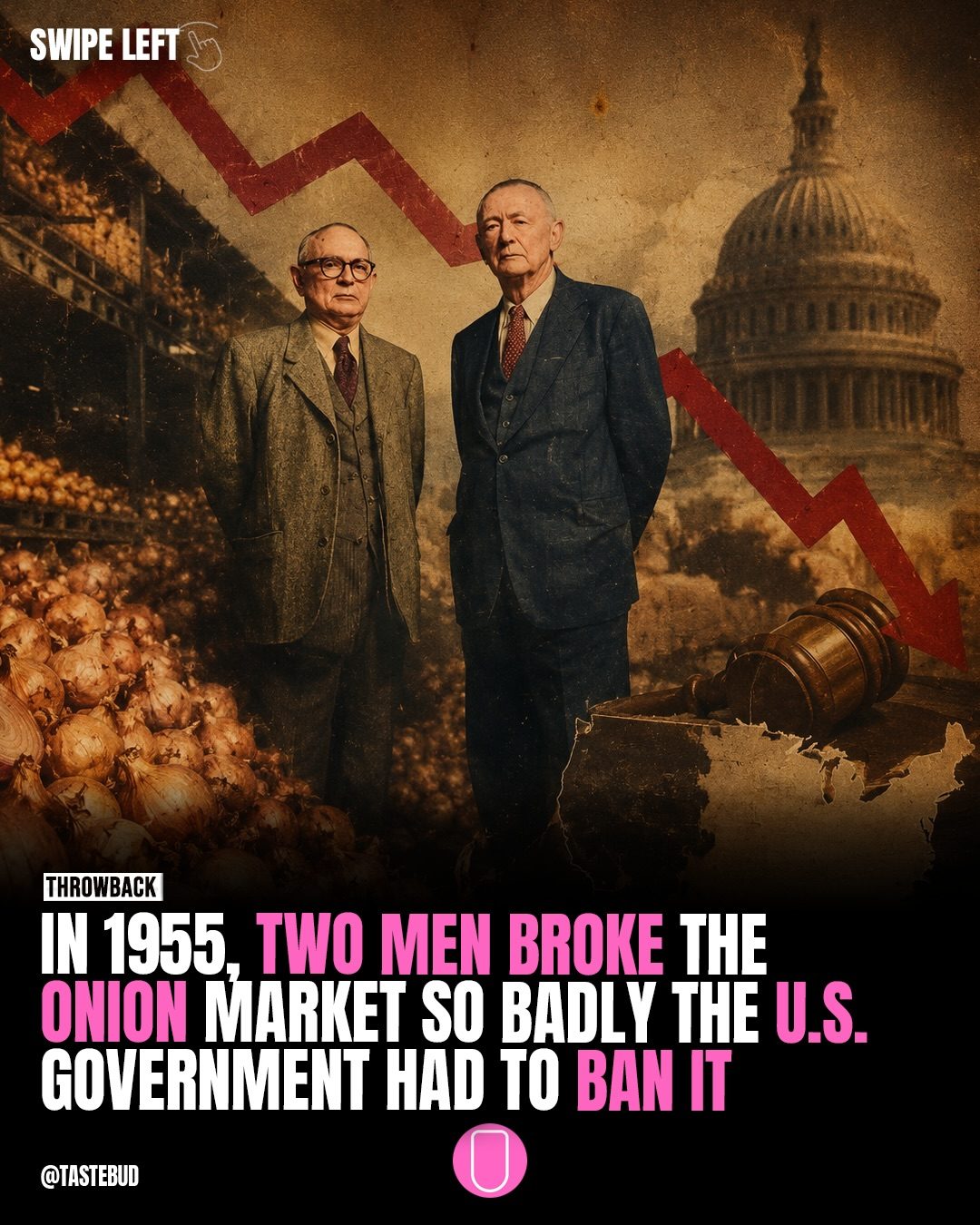
Historical Market Manipulation of the Onion Market in the 1950s
In the 1950s, a significant event unfolded in the agricultural commodity market of the United States, specifically involving onions. Vincent Kosuga and Sam Siegel, two savvy traders in Chicago, engaged in a calculated manipulation of the onion market that would have lasting implications. The story began with these traders gaining control of substantial onion supplies and futures contracts, which allowed them to artificially inflate the prices. However, the scheme soon collapsed as they released these supplies, causing a dramatic price drop. The financial fallout was catastrophic for farmers, who suffered immense losses. This event ignited public outrage, which led to the enactment of the Onion Futures Act of 1958, effectively banning onion futures trading in the U.S. to prevent future market disruptions.
Why This Matters
Market manipulation has long been a topic of interest for economists, policymakers, and the general public. The onion market scandal is a classic example of how unethical trading practices can have far-reaching consequences. The event highlights the importance of regulatory oversight and the need for robust legislation to safeguard the financial interests of producers. Understanding this historical event provides valuable insights into the dynamics of commodity markets and the critical role of government intervention in maintaining market stability.
The Key Players and Their Strategies
The onion market manipulation in the 1950s was masterminded by Vincent Kosuga and Sam Siegel, two traders operating in Chicago. Their strategy involved controlling both the physical supply of onions and the futures market. This dual control allowed them to manipulate prices to their advantage. By initially hoarding the supplies and futures contracts, they drove the prices up, making significant profits. However, the plan backfired when they released the supplies, leading to a price crash that devastated onion farmers and caused widespread economic turmoil.
The Onion Futures Act of 1958
The Onion Futures Act of 1958 was a direct response to the market manipulation crisis. The act was drafted and enacted to prevent similar incidents in the future. The legislation specifically banned the trading of onion futures, a move aimed at stabilizing the market and protecting farmers from price volatility. Despite the ban, the onion market remains a topic of interest for economists and historians alike, as it provides a cautionary tale of market manipulation and the need for regulatory oversight.
Market Manipulation and Its Consequences
Market manipulation can take various forms, but the core idea is always the same: using unethical or illegal tactics to artificially influence prices for profit. In the case of the onion market, Kosuga and Siegel's actions had dire consequences. Farmers, who are often the most vulnerable players in the market, were hit the hardest. The price crash left many with severe financial losses, and several were forced out of business. This event underscores the importance of ethical trading practices and the need for regulations to protect market participants from exploitation.
The Impact on Farmers and the Agricultural Sector
The onion market manipulation crisis had profound impacts not just on individual farmers, but on the entire agricultural sector. The sudden price crash affected the livelihoods of farmers, leading to widespread distress. Many farmers struggled to recover from the losses, and some were forced to abandon their farms altogether. The crisis also raised questions about the role of commodity markets and the need for better regulatory frameworks to protect farmers from market volatility.
The Role of Government Intervention
The onion market manipulation incident demonstrates the critical role of government intervention in maintaining market stability. The Onion Futures Act of 1958 was a direct response to the crisis, highlighting the importance of regulatory oversight. The act provided a framework for preventing similar incidents in the future, ensuring that market participants could operate within a fair and transparent system. The legislation also served as a stark reminder of the consequences of unethical trading practices and the need for robust regulatory measures.
Practical Tips for Avoiding Market Manipulation
While the onion market manipulation in the 1950s is a historical event, the lessons learned from it are still relevant today. Here are some practical tips to avoid falling victim to market manipulation:
- Stay Informed: Keep yourself updated with the latest market trends and news. This will help you make informed decisions and avoid being caught off guard by sudden price movements.
- Diversify Your Portfolio: Diversification can help mitigate the risks associated with market manipulation. By investing in a variety of commodities and securities, you can spread your risk and protect your investments.
- Conduct Thorough Research: Always conduct thorough research before making any investment decisions. This includes analyzing market trends, evaluating risks, and assessing the credibility of your trading partners.
- Stay Vigilant: Pay close attention to any unusual market activities or price movements. If something seems too good to be true, it probably is.
- Report Suspicious Activities: If you suspect market manipulation, report it to the relevant authorities. This can help prevent further exploitation and protect the interests of other market participants.
Important Takeaways
The onion market manipulation in the 1950s serves as a stark reminder of the potential dangers of unethical trading practices. Here are the key takeaways:
- Market manipulation can have severe consequences: The onion market crisis highlights the detrimental effects of market manipulation on farmers and the agricultural sector.
- Regulatory oversight is crucial: The Onion Futures Act of 1958 underscores the importance of governmental intervention in maintaining market stability.
- Ethical trading practices are essential: The crisis serves as a reminder of the need for ethical trading practices to protect market participants from exploitation.
Conclusion
The onion market manipulation in the 1950s is a compelling historical event that provides valuable insights into the dynamics of commodity markets. The story of Vincent Kosuga and Sam Siegel serves as a cautionary tale of the dangers of unethical trading practices and the need for regulatory oversight. The Onion Futures Act of 1958, enacted in response to the crisis, is a testament to the importance of government intervention in maintaining market stability. By understanding the events of the 1950s, we can better navigate the complexities of modern markets and ensure a fair and transparent trading environment for all participants.
Watch the Reel
Questions readers ask
Who were the key figures involved in the 1950s onion market crash?
The main figures involved were Vincent Kosuga and Sam Siegel, two traders based in Chicago. They manipulated the onion market by controlling both the supply and futures contracts, leading to a dramatic price collapse.
What was the Onion Futures Act of 1958, and why was it enacted?
The Onion Futures Act of 1958 was a legislative response to the market manipulation by Kosuga and Siegel. It was enacted to prevent such market collapses by regulating the trading of onion futures and preventing excessive speculation and market control.
How did the 1950s onion market crash impact farmers?
The crash led to severe financial losses for farmers who had invested in onions based on inflated prices. The sudden price drop caused by Kosuga and Siegel's actions resulted in widespread financial damage to the farming community.
What tactics did Vincent Kosuga and Sam Siegel use to manipulate the onion market?
Kosuga and Siegel bought and controlled large quantities of onions and futures contracts, allowing them to artificially raise market prices. They then released their supplies, causing a dramatic price collapse and significant market disruption.
What was the significance of the 1955 onion market crash in US history?
The 1955 onion market crash is notable for being a stark example of market manipulation and its consequences. It also led to the enactment of the Onion Futures Act of 1958, which aimed to prevent such extreme market volatility. The event remains a case study in the risks of unregulated futures trading.
How did the public react to the 1950s onion market manipulation?
The public reaction was largely one of outrage, as the manipulation caused significant financial harm to farmers. This public sentiment played a crucial role in pushing for regulatory changes, ultimately leading to the Onion Futures Act of 1958.
What role did futures trading play in the 1950s onion market crash?
Futures trading was a key tool used by Kosuga and Siegel to manipulate the onion market. By controlling futures contracts, they could artificially inflate prices and create a false sense of demand before collapsing the market.
Related deep dives
Similar reads based on topic and creator.


Recent articles
Fresh deep dives from the latest Reels we unpacked.




Comments
Be the first to comment.