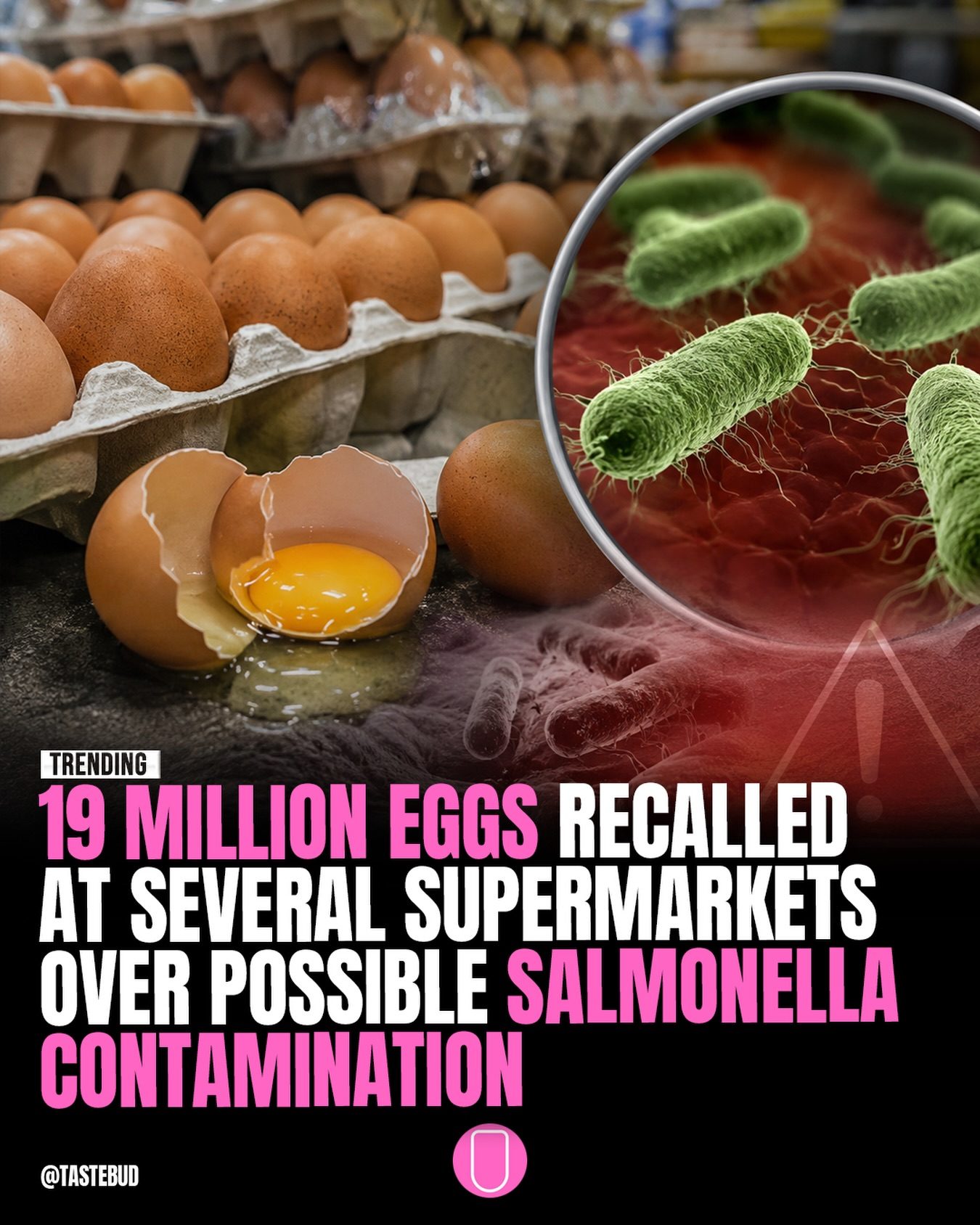
Egg Recall
Millions of eggs are being recalled due to possible Salmonella contamination, affecting multiple states. The recall involves eggs produced in Texas and distributed across several states, with health officials linking them to reported illnesses. This recall is significant, with 19 million eggs affected, and it raises important questions about food safety and public health.
Context: Why This Matters
Salmonella is a type of bacteria that can cause serious illness, particularly in vulnerable populations such as children, the elderly, and those with compromised immune systems. Symptoms of Salmonella infection can include fever, diarrhea, and abdominal cramps, and in severe cases, it can lead to hospitalization, dehydration, and other complications.
This recall comes at a critical time, following closely on the heels of a nationwide produce-related outbreak. The timing highlights the ongoing challenges in maintaining food safety across diverse agricultural sectors and underscores the importance of vigilant public health monitoring and swift action in response to potential contamination.
Understanding the Egg Recall
Source and Distribution
The affected eggs come from farms in Texas, a major hub for egg production in the United States. The eggs were distributed to supermarket chains across multiple states, making the scope of this recall extensive. The widespread distribution means that consumers in several regions need to be vigilant in checking their egg supplies and ensuring they are not using any of the recalled products.
Health Impact of Salmonella
Salmonella contamination can cause a range of health issues, but it is particularly dangerous for vulnerable populations. Children, older adults, and individuals with weakened immune systems are at a higher risk of developing severe symptoms. The bacterial infection can lead to:
- Severe diarrhea and abdominal cramps.
- Fever.
- Dehydration, which can be life-threatening if not treated.
- In some cases, the infection can spread to the bloodstream, leading to more severe complications.
Prompt treatment is crucial, and individuals experiencing these symptoms should seek medical attention immediately.
Public Health Response
Rapid Action
Food recalls are a critical part of public health measures to prevent widespread illness. The swift action in recalling 19 million eggs underscores the importance of the public health system's response. The recall is a direct outcome of health officials linking the affected eggs to reported illnesses, demonstrating the efficacy of surveillance and monitoring systems in place.
Consumer Awareness
The public health response also includes raising awareness among consumers. Those affected by the recall should discard any recalled eggs and thoroughly clean any surfaces or utensils that may have come into contact with them. The risk of cross-contamination is significant, so meticulous cleaning and hygiene practices are essential.
Supermarket Precautions
Store Safety Measures
Supermarkets are taking immediate steps to remove the recalled eggs from their shelves and alert consumers. These safety measures are vital in preventing further contamination and ensuring that consumers receive only safe products. Suppliers are also closely monitoring the situation, making sure that future deliveries adhere to strict safety protocols.
Consumer Responsibility
Consumers also play a crucial role. It is essential to check the packaging of eggs and ensure they are not from the affected batches. If unsure, it is best to err on the side of caution and avoid consuming the product. Supermarkets and public health officials provide lists of affected products and lot numbers. Checking these resources can offer clarity and safety.
Practical Tips for Consumers
Checking Egg Containers
Consumers should always check the packaging of their eggs for any recall notices or warnings. If you find an egg carton with a label indicating it is part of the recall, do not consume the eggs. Discard them immediately and follow proper disposal guidelines.
Safe Food Handling
Always follow safe food handling practices, especially when dealing with potentially contaminated products:
- Wash Your Hands: Before and after handling eggs.
- Clean Surfaces: Thoroughly clean all surfaces, utensils, and equipment that have come into contact with raw eggs.
- Cook Thoroughly: Cook eggs until both the yolk and white are firm.
Avoiding Cross-Contamination
Cross-contamination is a significant risk. To prevent it:
- Use Separate Utensils: For raw and cooked food.
- Store Safely: Keep raw eggs separate from other food items in the refrigerator.
- Reusable Bags: Use separate reusable bags for raw eggs when shopping to avoid contamination with other groceries.
Important Takeaways
Food Safety Awareness
The Salmonella recall highlights the importance of food safety awareness. Consumers, producers, and retailers must work together to ensure that food products are safe for consumption. This includes adhering to strict safety protocols, regular inspections, and prompt action in response to contamination risks.
Public Health Measures
Public health officials play a crucial role in monitoring and responding to food safety issues. Their swift action in issuing recalls and raising awareness helps prevent widespread illness and ensures that consumers are protected.
Consumer Vigilance
Consumers are at the frontline of ensuring their own safety. By staying informed, checking product labels, and following safe food handling practices, consumers can greatly reduce their risk of illness from contaminated products.
Conclusion
The egg recall underscores the importance of vigilance in food safety. While recalls are a necessary measure to protect public health, they also highlight the ongoing challenges in maintaining food safety standards. By taking proactive steps, from health officials and producers to consumers, the risk of contamination can be minimized, and public health can be better protected.
Watch the Reel
Questions readers ask
What should I do if I have potentially contaminated eggs from the recall?
If you have eggs from the recall, do not consume them. Check the packaging for the specific codes and dates provided by the recall notice. Discard the eggs or return them to the place of purchase for a refund.
Which states are affected by the 19 million egg recall?
The recall involves eggs distributed to multiple states, including Texas. Check the latest official recall notices for a complete list of affected states.
What are the symptoms of a Salmonella infection?
Salmonella infection symptoms include fever, abdominal cramps, and diarrhea. Symptoms typically develop within 12 to 72 hours of consuming contaminated food and can last for up to a week. Seek medical attention if symptoms are severe or if you are part of a vulnerable population.
How can I stay informed about the egg recall 2023 and other food safety issues?
Stay informed by checking official government websites, such as the USDA or FDA, for the latest recall information. These sites provide up-to-date lists of recalled products and safety alerts.
What should I do if I suspect I have a foodborne illness like Salmonella?
If you suspect you have a foodborne illness, monitor your symptoms. If they are severe or if you are part of a vulnerable population, seek medical attention immediately. Call your local health department to report the suspected illness.
What are the risks of Salmonella contamination for vulnerable populations?
Vulnerable populations such as young children, the elderly, and those with weakened immune systems are at higher risk for severe symptoms and complications from Salmonella infection, including hospitalization and dehydration.
Related deep dives
Similar reads based on topic and creator.


Recent articles
Fresh deep dives from the latest Reels we unpacked.




Comments
Be the first to comment.