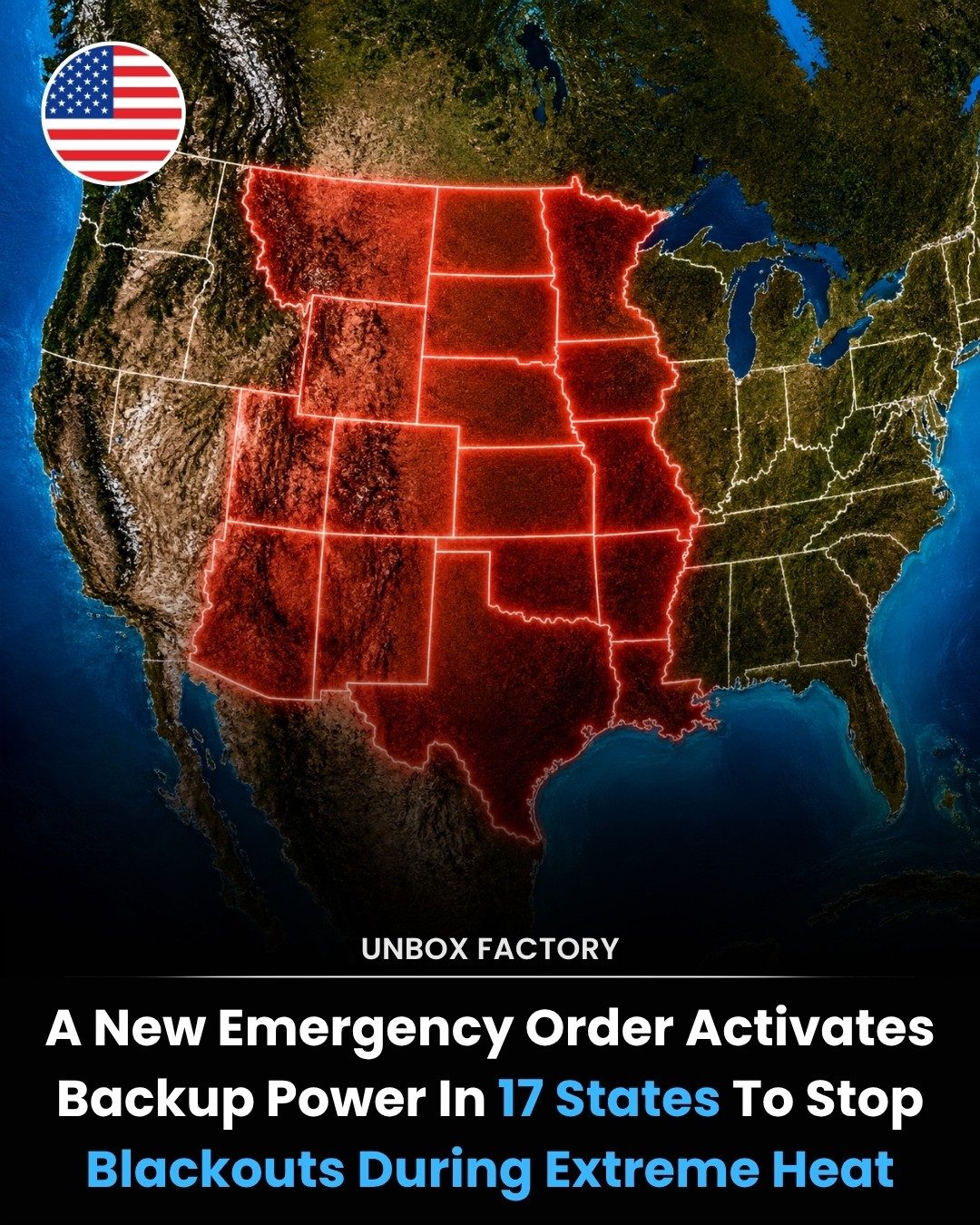
Emergency Power Backup: Ensuring Reliability During Extreme Heat
In response to record-breaking heat and soaring electricity demand, U.S. energy regulators have issued an emergency order to activate backup power systems across 17 states. This temporary measure is crucial for preventing rolling blackouts and ensuring that millions of homes and businesses maintain access to electricity during extreme heatwaves.
Why This Matters
Extreme heat is a significant driver of electricity demand, with air conditioning accounting for over 70% of peak residential usage during major heatwaves. This surge in demand can strain power grids, leading to potential blackouts. Grid operators across the affected region, serving tens of millions of customers, must implement emergency reliability measures to manage these prolonged high-temperature events effectively.
Main Discussion
The Role of Backup Power Systems
Backup power systems play a critical role in maintaining grid stability during periods of high demand. These systems, including reserve power plants, ensure that there is sufficient electricity to meet the increased load without overwhelming the primary power supply. By keeping these backup systems online, regulators can prevent blackouts and ensure that essential services remain operational.
The Impact of Extreme Heat on Electricity Demand
Extreme heatwaves significantly increase the demand for electricity, primarily due to the use of air conditioning. This sudden spike in demand can push the power grid to its limits, making it vulnerable to disruptions. The emergency order issued by U.S. energy regulators aims to mitigate this risk by activating additional power generation capabilities across 17 states.
Emergency Measures and Their Implementation
The temporary measures include keeping reserve power plants online and ensuring sufficient electricity reaches millions of homes and businesses. These actions are part of a broader strategy to maintain grid reliability during extreme weather events. Grid operators across the affected region are working diligently to implement these measures and monitor the situation closely.
Practical Tips
Preparing Your Home for Extreme Heat
- Insulate Your Home: Proper insulation can help keep your home cool and reduce the need for excessive air conditioning.
- Use Energy-Efficient Appliances: Opt for appliances that are energy-efficient to minimize electricity consumption.
- Install Smart Thermostats: These devices can help regulate temperature more efficiently and reduce peak demand.
- Shade Your Home: Use awnings, blinds, or trees to shield your home from direct sunlight, keeping it cooler.
- Maintain Your Air Conditioning: Regular maintenance ensures that your air conditioning system runs efficiently and effectively.
Understanding Your Power Grid
- Know Your Power Provider: Familiarize yourself with your local power provider and their emergency protocols.
- Monitor Weather Alerts: Stay informed about weather conditions and any potential disruptions to your power supply.
- Have a Backup Plan: Consider investing in a backup power system for your home, such as a generator or solar power setup.
- Participate in Demand Response Programs: Some utility companies offer programs that allow you to reduce your energy consumption during peak times in exchange for incentives.
Staying Safe During Power Outages
- Prepare an Emergency Kit: Include essentials like flashlights, batteries, a first-aid kit, and non-perishable food.
- Stay Informed: Keep a battery-operated radio to stay updated on weather conditions and emergency alerts.
- Use Generators Safely: If you have a generator, ensure it is used safely and according to manufacturer guidelines.
- Check on Neighbors: Power outages can be challenging for everyone, especially the elderly and those with medical needs.
Important Takeaways
- Backup power systems are essential for maintaining grid stability during extreme heatwaves.
- Extreme heat significantly increases electricity demand, primarily due to air conditioning usage.
- Temporary emergency measures, such as keeping reserve power plants online, are critical for preventing blackouts.
- Preparing your home with energy-efficient upgrades and understanding your power grid can help you stay safe during extreme weather events.
- Having a backup power system and an emergency kit ready can provide peace of mind and ensure your safety during power outages.
Conclusion
As record-breaking heat continues to push electricity demand to new highs, the activation of backup power systems across 17 states is a critical step in maintaining grid reliability. By understanding the role of these systems and taking practical steps to prepare your home, you can ensure your safety and comfort during extreme heatwaves. Stay informed, stay prepared, and stay safe.
Watch the Reel
Questions readers ask
Which states have activated emergency backup power systems due to the heatwave?
The article mentions that 17 states have activated these systems, but it does not specify which states. For the most accurate and up-to-date information, it is best to consult local news sources or official statements from energy regulators.
How does extreme heat increase the demand for electricity?
Extreme heat significantly increases the demand for electricity as air conditioning accounts for over 70% of peak residential usage. This surge in demand can put pressure on power grids and lead to potential blackouts.
What are the benefits of activating emergency backup power systems during a heatwave?
Activating emergency backup power systems helps prevent rolling blackouts and ensures that essential services remain operational. This is crucial for maintaining access to electricity for millions of homes and businesses during periods of extreme heat.
What is the role of grid operators during a heatwave?
Grid operators play a vital role in managing electricity demand during heatwaves. They implement emergency reliability measures to prevent power outages and ensure grid stability, serving tens of millions of customers in the affected regions.
How long will these emergency backup power systems remain active?
The article mentions that the activation of these systems is a temporary measure. The duration will depend on the severity and duration of the heatwave. For specific details, refer to updates from local energy authorities.
What happens if backup power systems are not activated during a heatwave?
If backup power systems are not activated, the increased electricity demand due to extreme heat can lead to power outages and blackouts. This can disrupt essential services and cause discomfort and inconvenience for residents and businesses.
Recent articles
Fresh deep dives from the latest Reels we unpacked.




Comments
Be the first to comment.